Showing posts with label FutureOfTechnology. Show all posts

Sunday, November 1, 2026

5 Technologies That Could Save or Destroy Humanity

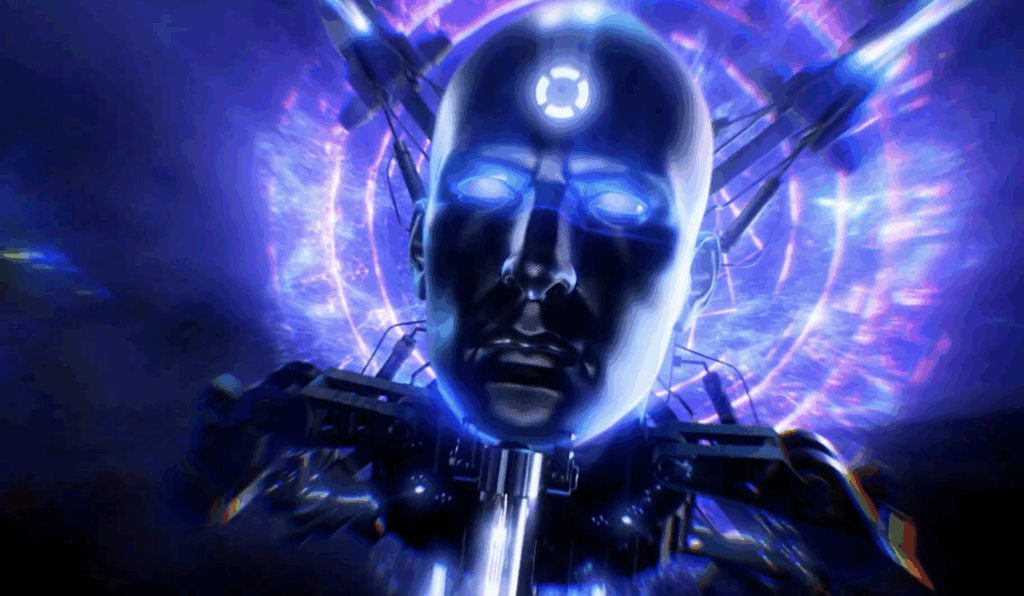
Imagine a world where you could move objects with your mind, cure cancer with microscopic machines, or even live to be 1,000 years old. The future of science is breathtaking but terrifying. While some technologies promise to revolutionize life as we know it, others could bring about the end of life on Earth if misused or miscalculated. Here are five groundbreaking technologies that could shape or destroy our future……….Continue reading….

Source: What If Show

.

Critics:

Technological change is the largest cause of long-term economic growth. Throughout human history, energy production was the main constraint on economic development, and new technologies allowed humans to significantly increase the amount of available energy. First came fire, which made a wider variety of foods edible, and made it less physically demanding to digest them.

Fire also enabled smelting and the use of tin, copper, and iron tools, used for hunting or tradesmanship. Then came the agricultural revolution: humans no longer needed to hunt or gather to survive, and began to settle in towns and cities, forming more complex societies, with militaries and more organized forms of religion.

Technologies have contributed to human welfare through increased prosperity, improved comfort and quality of life, and medical progress, but they can also disrupt existing social hierarchies, cause pollution, and harm individuals or groups. Recent years have brought about a rise in social media’s cultural prominence, with potential repercussions on democracy, as well as economic and social life.

Early on, the Internet was seen as a “liberation technology” that would democratize knowledge, improve access to education, and promote democracy. Modern research has turned to investigate the Internet’s downsides, including disinformation, polarization, hate speech, and propaganda. Since the 1970s, technology’s impact on the environment has been criticized, leading to a surge in investment in solar, wind, and other forms of clean energy.

Since the invention of the wheel, technologies have helped increase humans’ economic output. Past automation has both substituted and complemented labor; machines replaced humans at some lower-paying jobs (for example, in agriculture), but this was compensated by the creation of new, higher-paying jobs. Studies have found that computers did not create significant net technological unemployment.

Due to artificial intelligence being far more capable than computers, and still being in its infancy, it is not known whether it will follow the same trend; the question has been debated at length among economists and policymakers. A 2017 survey found no clear consensus among economists on whether AI would increase long-term unemployment. According to the World Economic Forum’s “The Future of Jobs Report 2020”, AI is predicted to replace 85 million jobs worldwide and create 97 million new jobs by 2025.

From 1990 to 2007, a study in the U.S. by MIT economist Daron Acemoglu showed that an addition of one robot for every 1,000 workers decreased the employment-to-population ratio by 0.2%, or about 3.3 workers, and lowered wages by 0.42%. Concerns about technology replacing human labor, however, are long-lasting.

As U.S. President Lyndon Johnson said in 1964 upon signing the National Commission on Technology, Automation, and Economic Progress bill, “Technology is creating both new opportunities and new obligations for us, opportunity for greater productivity and progress; obligation to be sure that no workingman, no family must pay an unjust price for progress.Technology can have both positive and negative effects on the environment.

Environmental technology describes an array of technologies that seek to reverse, mitigate, or halt environmental damage to the environment. This can include measures to halt pollution through environmental regulations, capture and storage of pollution, or using pollutant byproducts in other industries. Other examples of environmental technology include deforestation and the reversing of deforestation.

Emerging technologies in the fields of climate engineering may be able to halt or reverse global warming and its environmental impacts, although this remains highly controversial. As technology has advanced, so too has the negative environmental impact, with increased release of greenhouse gases, including methane, nitrous oxide and carbon dioxide, into the atmosphere, causing the greenhouse effect.

This continues to gradually heat the Earth, causing global warming and climate change. Measures of technological innovation correlate with a rise in greenhouse gas emissions.

Monday, October 19, 2026

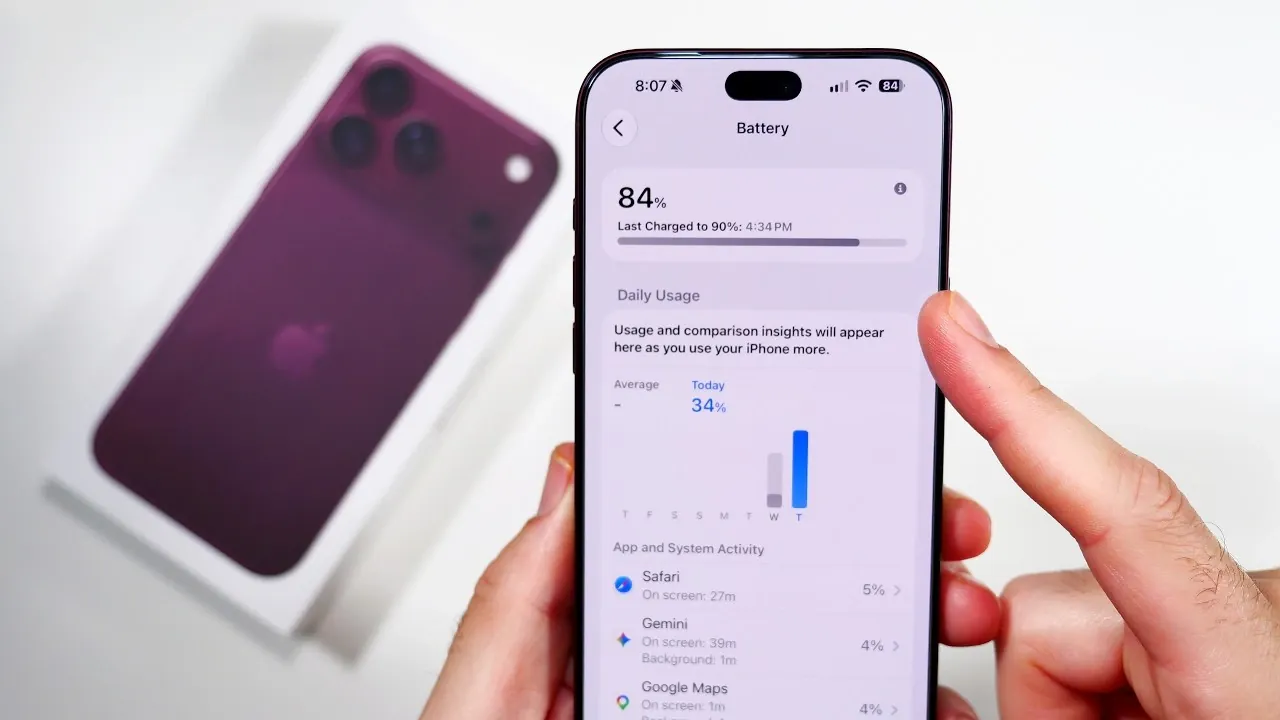
iPhone 18 Pro Max Battery Life: 10 Settings To Change

The background app refresh toggle in iOS system settings

The iPhone 18 Pro Max is a feature-rich device designed to deliver exceptional performance, but its advanced capabilities can significantly impact battery life. By making targeted adjustments to specific settings, you can extend your device’s battery performance without compromising essential functionality. This guide highlights ten critical settings you can tweak to maximize power efficiency and keep your iPhone running longer……..Continue reading…

By:  

Source: Geeky Gadgets

.

Critics:

Apple provides major updates to the iOS operating system annually. Since iOS 5, the primary method of delivery has been over-the-air. Updates are also available using iTunes on older versions of macOS and Windows, using Finder on macOS starting with macOS Catalina, and using the Apple Devices app on Windows starting with Windows 10 version 22H2. The device checks an XML-based PLIST file on mesu.apple.com for updates.

Updates are delivered as unencrypted ZIP files. Updates are checked for regularly, and are downloaded and installed automatically if enabled. Otherwise, the user can install them manually or are prompted to allow automatic installation overnight if plugged in and connected to Wi-Fi.

iPod Touch users originally had to pay for system software updates due to accounting rules that designated it not a “subscription device” like the iPhone or Apple TV, causing many iPod Touch owners not to update. In September 2009, a change in accounting rules won tentative approval, affecting Apple’s earnings and stock price, and allowing iPod Touch updates to be delivered free of charge.

Apple significantly extended the cycle of updates for iOS-supported devices over the years. The iPhone (1st generation) and iPhone 3G only received two major iOS updates, while later models had support for three to seven major updates. iOS uses the XNU kernel included in the Darwin operating system and used by macOS, adapted to work with devices that run iOS.

It is additionally used as the kernel for Apple’s other platforms and operating systems, including iPadOS, watchOS, visionOS, and tvOS, and also serves as the kernel used by the software powering the HomePod range of smart speakers. iOS 18, the second-to-latest stable version of iOS, uses version 24 of Darwin.

Darwin, and by definition XNU, is open source software dual-licensed under the 3-clause BSD license for components developed specifically for BSD, and the Apple Public Source License (APSL) for components of the operating system and kernel that have been developed by Apple; however, XNU is licensed specifically under the APSL.

Since the release of iOS 6 in 2012, the kernel uses kernel address space layout randomization (KASLR), a technology and security technique introduced in OS X Mountain Lion and included in later versions of macOS that makes it harder to exploit known and future memory corruption security vulnerabilities by randomizing the memory addresses used by the kernel.

Initially most wireless carriers in the US did not allow iPhone owners to unlock it for use with other carriers. However AT&T allowed iPhone owners who had satisfied contract requirements to unlock their iPhone. Instructions to unlock the device are available from Apple, but it is ultimately at the sole discretion of the carrier to authorize unlocking the device.

This allows the use of a carrier-sourced iPhone on other networks. Modern versions of iOS and the iPhone fully support LTE across multiple carriers wherever the phone was purchased. Programs to remove SIM lock restrictions are available, but are not supported by Apple, and most often not a permanent unlock – a soft unlock, which modifies the iPhone so that the baseband will accept the SIM card of any GSM carrier. SIM unlocking is not jailbreaking, but a jailbreak is also required for these unofficial software unlocks.

The legality of software unlocking varies in each country; for example, in the US, there is a DMCA exemption for unofficial software unlocking of devices purchased before January 26, 2013.

Apple’s Latest iOS 27 Update Fixes Face ID Bug on iPhone 18 Pro

.

iphone18, AppleInnovation ,AppleRing ,SmartTech ,InnovativeDesign ,NextGenApple ,FutureOfTechnology,AppleGadgets ,QualityInnovation ,AppleInnovation, ,TechTrends ,CuttingEdge ,GadgetGoals ,AppleProducts ,InnovationInTech ,ElectronicsInnovation ,TechSavvy ,AppleFans

Thursday, October 8, 2026

Apple Smart Ring Rumors: Potential Features and Patents

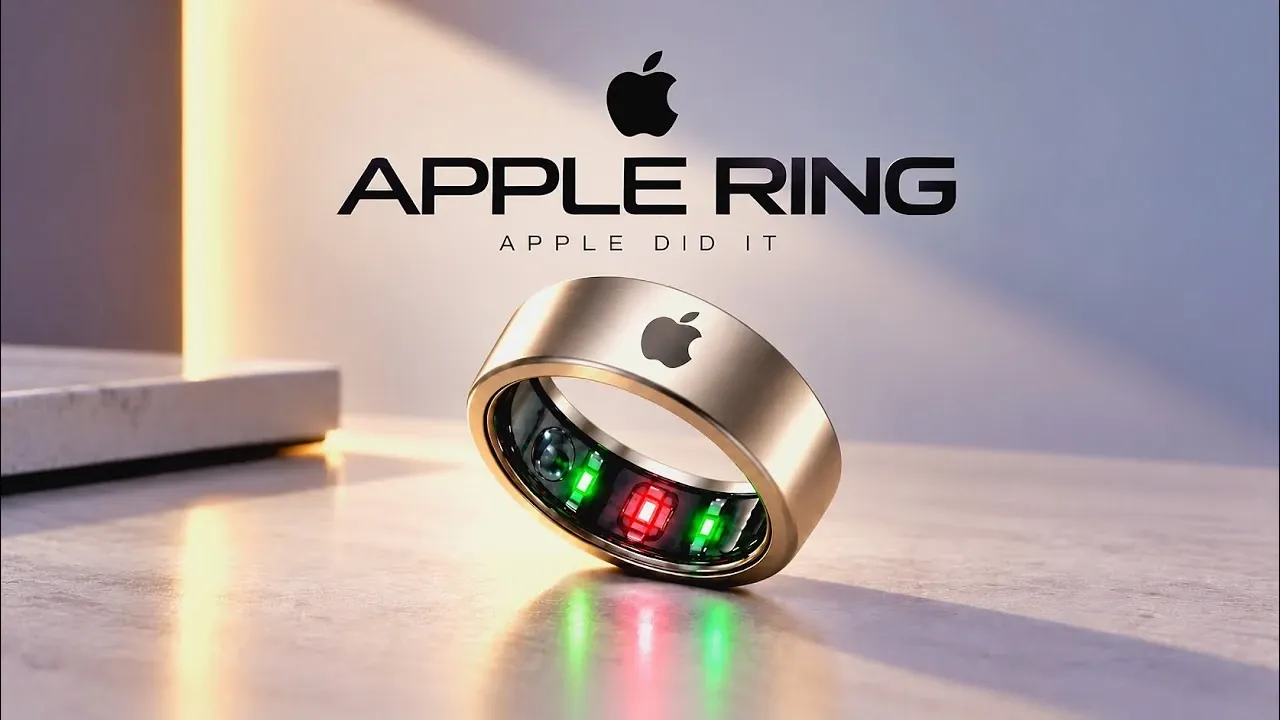
Apple appears poised to expand its influence in wearable technology with the rumored Apple Ring, a compact, smart device that could transform how users interact with their devices. While no official confirmation has been made, a combination of patents, leaks, and industry trends strongly suggests Apple’s interest in entering the growing smart ring market. If brought to fruition, the Apple Ring could offer advanced health tracking, gesture-based controls and seamless integration with Apple’s ecosystem, further reinforcing the company’s leadership in health and fitness technology. The video below from Tech Town gives us more details on what Apple has planned for their new smart ring………Continue reading…

By

Source:  Geeky Gadgets

.

Critics:

Apple provides major updates to the iOS operating system annually. Since iOS 5, the primary method of delivery has been over-the-air. Updates are also available using iTunes on older versions of macOS and Windows, using Finder on macOS starting with macOS Catalina, and using the Apple Devices app on Windows starting with Windows 10 version 22H2. The device checks an XML-based PLIST file on mesu.apple.com for updates.

Updates are delivered as unencrypted ZIP files. Updates are checked for regularly, and are downloaded and installed automatically if enabled. Otherwise, the user can install them manually or are prompted to allow automatic installation overnight if plugged in and connected to Wi-Fi.

iPod Touch users originally had to pay for system software updates due to accounting rules that designated it not a “subscription device” like the iPhone or Apple TV, causing many iPod Touch owners not to update. In September 2009, a change in accounting rules won tentative approval, affecting Apple’s earnings and stock price, and allowing iPod Touch updates to be delivered free of charge.

Apple significantly extended the cycle of updates for iOS-supported devices over the years. The iPhone (1st generation) and iPhone 3G only received two major iOS updates, while later models had support for three to seven major updates. iOS uses the XNU kernel included in the Darwin operating system and used by macOS, adapted to work with devices that run iOS.

It is additionally used as the kernel for Apple’s other platforms and operating systems, including iPadOS, watchOS, visionOS, and tvOS, and also serves as the kernel used by the software powering the HomePod range of smart speakers. iOS 18, the second-to-latest stable version of iOS, uses version 24 of Darwin.

Darwin, and by definition XNU, is open source software dual-licensed under the 3-clause BSD license for components developed specifically for BSD, and the Apple Public Source License (APSL) for components of the operating system and kernel that have been developed by Apple; however, XNU is licensed specifically under the APSL.

Since the release of iOS 6 in 2012, the kernel uses kernel address space layout randomization (KASLR), a technology and security technique introduced in OS X Mountain Lion and included in later versions of macOS that makes it harder to exploit known and future memory corruption security vulnerabilities by randomizing the memory addresses used by the kernel.

Initially most wireless carriers in the US did not allow iPhone owners to unlock it for use with other carriers. However AT&T allowed iPhone owners who had satisfied contract requirements to unlock their iPhone. Instructions to unlock the device are available from Apple, but it is ultimately at the sole discretion of the carrier to authorize unlocking the device.

This allows the use of a carrier-sourced iPhone on other networks. Modern versions of iOS and the iPhone fully support LTE across multiple carriers wherever the phone was purchased. Programs to remove SIM lock restrictions are available, but are not supported by Apple, and most often not a permanent unlock – a soft unlock, which modifies the iPhone so that the baseband will accept the SIM card of any GSM carrier. SIM unlocking is not jailbreaking, but a jailbreak is also required for these unofficial software unlocks.

The legality of software unlocking varies in each country; for example, in the US, there is a DMCA exemption for unofficial software unlocking of devices purchased before January 26, 2013.

Leave a Reply

Types Of Fundraising Available To Cryptocurrency Projects

theblock Fundraising is a process by which startups and early-stage companies can raise capital to finance their growth and development. Typ...