Showing posts with label environmentalawareness. Show all posts

Tuesday, November 3, 2026

Human Driven Climate Change May Have Halted The Onset Of A New Ice Age

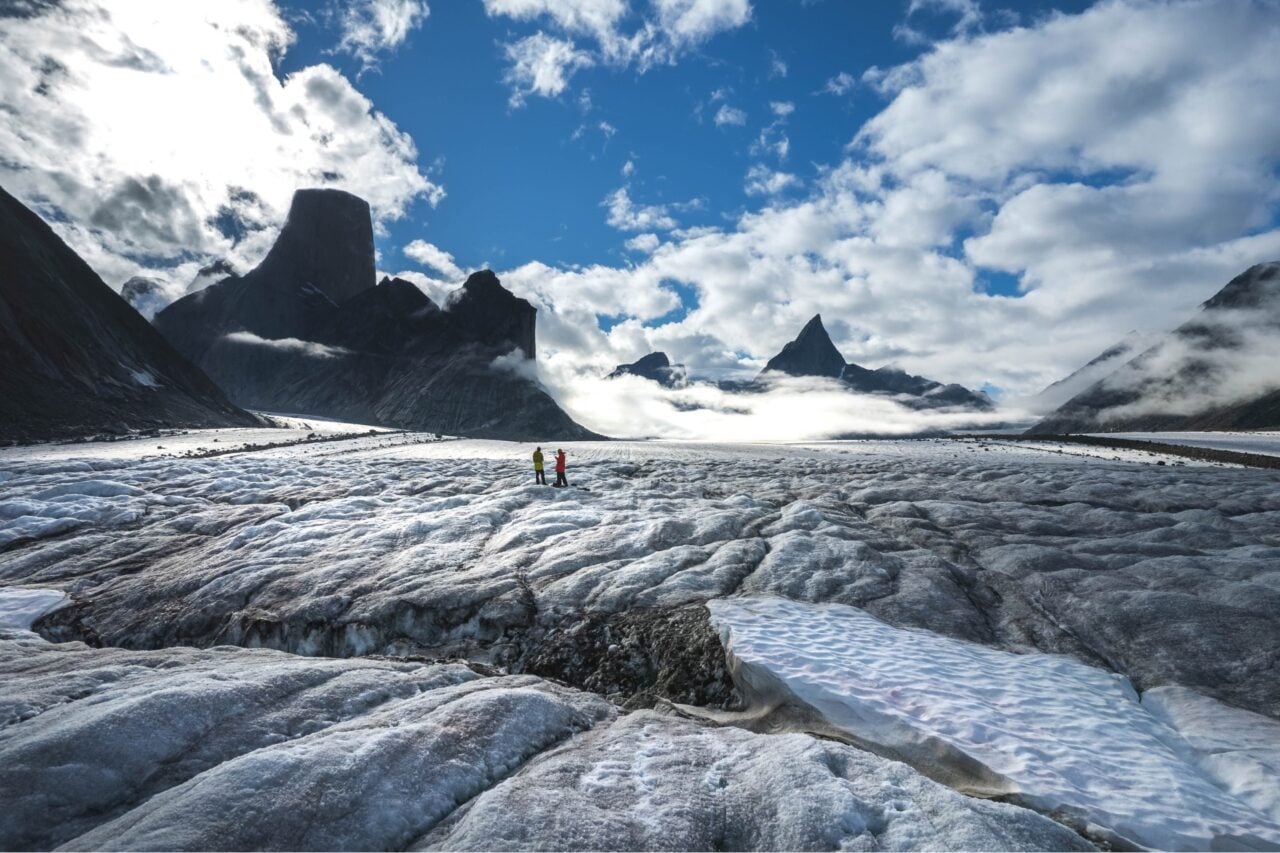
Copyright Nicolás Young

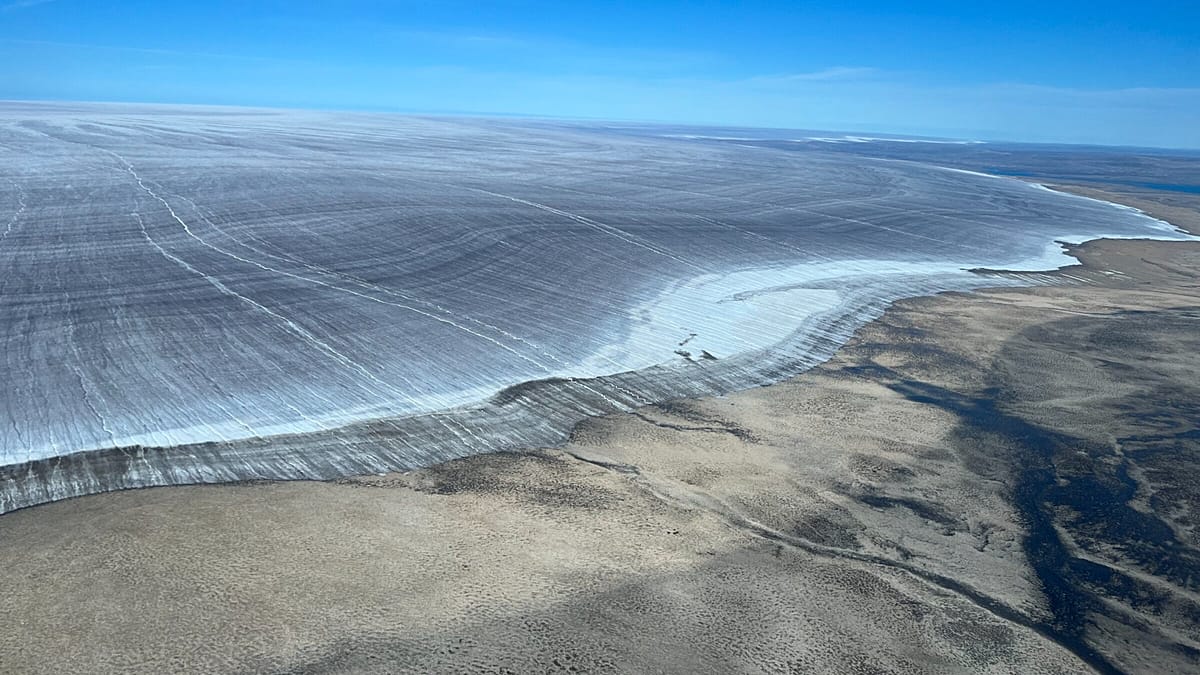
Covering around 6,000 square kilometres, the Barnes Ice Cap in north-eastern Canada is vast. Yet for several decades it has been shrinking and has become a witness to human-induced climate change. Now, thanks to new evidence, scientists suspect that climate change may even have prevented a new ice age. Until about 1960, the icy area was actually expanding. Nicolás Young, a geochemist at the Lamont-Doherty Earth Observatory of the Columbia Climate School, says it had only just begun, that everything seemed normal, that the next ice age was almost due, and then it suddenly stopped. The glaciation did not last long………Continue reading…

By Franziska Müller

Source:  Euronews

.

Critics:

Rising temperatures are fueling environmental degradation, natural disasters, weather extremes, food and water insecurity, economic disruption, conflict, and terrorism. Sea levels are rising, the Arctic is melting, coral reefs are dying, oceans are acidifying, and forests are burning. While there is still time to limit global emissions to within 1.5℃ above pre-industrial levels, the window of opportunity is closing fast, according to the International Energy Agency (IEA).

But as the transition to a low- or no-carbon future gains momentum, several bright spots are appearing on the horizon. The most recent report of the Intergovernmental Panel on Climate Change (IPCC)—a group of hundreds of scientists working with the United Nations to analyze climate change research from around the world—names many serious risks brought on by the warming of our planet, but human extinction is not among them.

The world is now warming faster than at any point in recorded history. Warmer temperatures over time are changing weather patterns and disrupting the usual balance of nature. This poses many risks to human beings and all other forms of life on Earth. While the effects of human activities on Earth’s climate to date are irreversible on the timescale of humans alive today, every little bit of avoided future temperature increases results in less warming that would otherwise persist for essentially forever.

The global average temperature rise is predicted to climb permanently above 1.5°C by between 2026 and 2042, with a central estimate of 2032, while business as usual will see the 2°C breached by 2050 or very soon after.Future changes are expected to include a warmer atmosphere, a warmer and more acidic ocean, higher sea levels, and larger changes in precipitation patterns.

Risk estimates. Given the limitations of ordinary observation and modeling, expert elicitation is frequently used instead to obtain probability estimates. Humanity has a 95% probability of being extinct in 7,800,000 years, according to J. The simulations also predict that the future of human evolution will suffer from thicker skulls and smaller brains in the year 3000, another side effect of technology making us lazy and causing us to lose some of our brain capacity due to lack of usage.

Even after those first scorching millennia, however, the planet has often been much warmer than it is now. One of the warmest times was during the geologic period known as the Neoproterozoic, between 600 and 800 million years ago. Conditions were also frequently sweltering between 500 million and 250 million years ago. 

Roughly 1.3 billion years from now, “humans will not be able to physiologically survive, in nature, on Earth” due to sustained hot and humid conditions. In about 2 billion years, the oceans may evaporate when the sun’s luminosity is nearly 20% more than it is now, Kopparapu said. Instead, Earth’s natural cycles and greenhouse effects might delay the onset of the next ice age, expected within the next 10,000 to 100,000 years.

 Some theories suggest global warming could potentially trigger an ice age by disrupting ocean currents, specifically the Gulf Stream, leading to dramatic cooling in Europe. We will survive another degree or so as well. However, with each increment in temperature the world we inhabit changes in response. We must adapt to those changes and deal with the disruption and deviation from equilibrium they cause.

We will survive another degree or so as well. However, with each increment in temperature the world we inhabit changes in response. We must adapt to those changes and deal with the disruption and deviation from equilibrium they cause. People and companies will produce their own electricity using reusable energy sources, making power plants and the use of fossil fuels obsolete. Space travel will become a common mode of transport, allowing us to travel to places such as colonies on solar planets, and planetary moons.

A group of closely-related organisms that have common physical and genetic characteristics and are able to interbreed to produce fertile offspring. As humans, we experience dramatically fewer hazards today than we did in our early evolution. However, genetic studies indicate that we are still evolving. Carbon dioxide and other heat-trapping gases are the main drivers of global warming.

While climate change cannot be stopped, it can be slowed. To avoid the worst consequences of climate change, we’ll need to reach “net zero” carbon emissions by 2050 or sooner. While the challenges of preventing dangerous climate change are immense, it is not too late to act. Immediate and sustained efforts are required to mitigate the worst impacts and support vulnerable populations

According to NCEI’s Global Annual Temperature Outlook, there is a 22% chance that 2024 will rank as the warmest year on record and a 99% chance that it will rank in the top five. January saw a record-high monthly global ocean surface temperature for the 10th consecutive month.

Monday, November 2, 2026

What The Black Death Proves About Rewilding

Photo: no one cares/Unsplash

The 1300s saw one of history’s most devastating pandemics: the Black Death. Caused by an infectious bacterium, it swept quickly across Europe, travelling on flea-infested rats and killing up to a third of the population. In some cities, church bells rang perpetually for the dead, while others ordered them silenced altogether. Away from the cities, the countryside fell silent too. Villages were emptied, farms deserted and fields left unplowed. The cultivated lands that had once borne grains, legumes and livestock were abandoned, letting natural succession take over, untouched by human hands……….Continue reading…

By: Timo Mendez

Source: Rewilding Mag

.

Critics:

Rewilding was developed as a method to preserve functional ecosystems and reduce biodiversity loss, incorporating research in island biogeography and the ecological role of large carnivores. In 1967, The Theory of Island Biogeography by Robert H. MacArthur and Edward O. Wilson established the importance of considering the size and fragmentation of wildlife conservation areas, stating that protected species and areas remained vulnerable to extinctions if populations were small and isolated. In 1987, William D. Newmark’s study of extinctions in national parks in North America added weight to the theory.

The publications intensified debates on conservation approaches. With the creation of the Society for Conservation Biology in 1985, conservationists began to focus on reducing habitat loss and fragmentation. Supporters of rewilding initiatives range from individuals, small land owners, local non-governmental organizations and authorities, to national governments and international non-governmental organizations such as the International Union for Conservation of Nature.

While rewilding efforts can be well regarded, the increased popularity of rewilding has generated controversy, especially in relation to large-scale projects. These have sometimes attracted criticism from academics and practicing conservationists, as well as government officials and business people. Nonetheless, a 2021 report for the launch of the UN Decade on Ecosystem Restoration, the United Nations listed rewilding as one of several restoration methods which they state should be used for ecosystem restoration of over 1 billion hectares.

Since its origin, the term rewilding has been used as a signifier of particular forms of ecological restoration projects that have ranged widely in scope and geographic application. In 2021 the journal Conservation Biology published a paper by 33 coauthors from around the world. Titled ‘Guiding Principles for Rewilding’, researchers and project leaders from North America (Canada, Mexico and the United States) joined with counterparts in Europe (Denmark, France, Hungary, The Netherlands, Switzerland, and the UK), China, and South America (Chile and Colombia) to produce a unifying description, along with a set of ten guiding principles.

The group wrote, ‘Commonalities in the concept of rewilding lie in its aims, whereas differences lie in the methods used, which include land protection, connectivity conservation, removing human infrastructure, and species reintroduction or taxon replacement.’ Referring to the span of project types they stated, ‘Rewilding now incorporates a variety of concepts, including Pleistocene megafauna replacement, taxon replacement, species reintroductions, retrobreeding, release of captive-bred animals, land abandonment, and spontaneous rewilding.’ 

Empowered by a directive from the International Union for the Conservation of Nature to produce a document on rewilding that reflected a global scale inventory of underlying goals as well as practices, the group sought a ‘unifying definition’, producing the following:

Ten principles were developed by the group:

  1. Rewilding utilizes wildlife to restore trophic interactions.
  2. Rewilding employs landscape-scale planning that considers core areas, connectivity, and co-existence.
  3. Rewilding focuses on the recovery of ecological processes, interactions, and conditions based on reference ecosystems.
  4. Rewilding recognizes that ecosystems are dynamic and constantly changing.
  5. Rewilding should anticipate the effects of climate change and where possible act as a tool to mitigate impacts.
  6. Rewilding requires local engagement and support.
  7. Rewilding is informed by science, traditional ecological knowledge, and other local knowledge.
  8. Rewilding is adaptive and dependent on monitoring and feedback.
  9. Rewilding recognizes the intrinsic value of all species and ecosystems.
  10. Rewilding requires a paradigm shift in the coexistence of humans and nature.

A paper was published in 2024 that offered a “broad study of rewilding guidelines and interventions.” Rewilding can respond to both the causes and effects of climate change and has been posited as a ‘natural climate solution’. Rewilding’s creation of new ecosystems and restoration of existing ones can contribute to climate change mitigation and adaptation through.

Inter alia, carbon capture and storage, altering the Earth’s albedo, natural flood management, reduction of wildfire risk, new habitat creation, and enabling or facilitating the movement of species to new, climate safe habitats, thus protecting biodiversity and maintaining functioning, climate resilient ecosystems. The functional roles animals perform in ecosystems, such as grazing, nutrient cycling and seed distribution, can influence the amount of carbon that soils and (marine and terrestrial) plants capture.

The carbon cycle is altered through herbivores consuming vegetation, assimilating carbon within their own biomass, and releasing carbon by respiration and defecation after digestion. The most beneficial effects on biogeochemical cycling and ecosystem structure are reported through rewilding large herbivore species.

A study in a tropical forest in Guyana found that an increase in mammal species from 5 to 35 increased tree and soil carbon storage by four to five times, compared to an increase of 3.5 to four times with an increase of tree species from 10 to 70. A separate study suggested that the loss of megafauna that eat fruits may be responsible for an up to 10% reduction in carbon storage in tropical forests.

Furthermore, acceleration of nutrient cycling through browsing and grazing may increase local plant productivity and thereby maintain ecosystem productivity in grassy biomes. It is also posited that grazing and browsing reduces the risk of wildfires (which are significant contributors of GHG emissions and whose smoke can alter the planet’s albedo – the Earth’s ability to reflect heat from sunlight).

For example, the loss of wildebeest from the Serengeti led to an increase in un-grazed grass, leading to more frequent and intense fires, causing the grassland to turn from a carbon sink to a carbon source. When disease management practices restored the wildebeest population, the Serengeti returned to a carbon sink state.

Friday
In the last month

Rewilding ,NatureRestoration ,Biodiversity ,EcoFriendly ,SustainableLiving ,WildlifeConservation ,EnvironmentalAwareness ,NatureLovers ,SavedNaturalHabitat ,EcosystemHealth ,ReconnectWithNature ,andReclamation ,PlanetEarth ,GreenInitiatives ,WildLife ,MotherNature ,PreservingNature ,FloraAndFauna ,ClimateAction

Tuesday, October 27, 2026

Humans Accidentally Canceled The Next Ice Age, Scientists Say

 Image credit: Shutterstock

For billions of years, Earth has experienced periodic glacial cycles governed by its orbit around the Sun. No force on the planet could disrupt this eons-long cycle—until we came along. A new study published in the journal Science suggests that a new glacial period was beginning some 2,000 years ago, but by the 1960s, greenhouse gas emissions had raised global temperatures enough to reverse it. Future emissions could forestall the next ice age for hundreds of thousands of years, altering one of Earth’s most fundamental natural cycles………Continue reading…

Advertisement

By:  

Source: Gizmodo

.

Critics:

Rising temperatures are fueling environmental degradation, natural disasters, weather extremes, food and water insecurity, economic disruption, conflict, and terrorism. Sea levels are rising, the Arctic is melting, coral reefs are dying, oceans are acidifying, and forests are burning. While there is still time to limit global emissions to within 1.5℃ above pre-industrial levels, the window of opportunity is closing fast, according to the International Energy Agency (IEA).

But as the transition to a low- or no-carbon future gains momentum, several bright spots are appearing on the horizon. The most recent report of the Intergovernmental Panel on Climate Change (IPCC)—a group of hundreds of scientists working with the United Nations to analyze climate change research from around the world—names many serious risks brought on by the warming of our planet, but human extinction is not among them.

The world is now warming faster than at any point in recorded history. Warmer temperatures over time are changing weather patterns and disrupting the usual balance of nature. This poses many risks to human beings and all other forms of life on Earth. While the effects of human activities on Earth’s climate to date are irreversible on the timescale of humans alive today, every little bit of avoided future temperature increases results in less warming that would otherwise persist for essentially forever

Advertisement

The global average temperature rise is predicted to climb permanently above 1.5°C by between 2026 and 2042, with a central estimate of 2032, while business as usual will see the 2°C breached by 2050 or very soon after.Future changes are expected to include a warmer atmosphere, a warmer and more acidic ocean, higher sea levels, and larger changes in precipitation patterns.

Risk estimates. Given the limitations of ordinary observation and modeling, expert elicitation is frequently used instead to obtain probability estimates. Humanity has a 95% probability of being extinct in 7,800,000 years, according to J. The simulations also predict that the future of human evolution will suffer from thicker skulls and smaller brains in the year 3000, another side effect of technology making us lazy and causing us to lose some of our brain capacity due to lack of usage.

Even after those first scorching millennia, however, the planet has often been much warmer than it is now. One of the warmest times was during the geologic period known as the Neoproterozoic, between 600 and 800 million years ago. Conditions were also frequently sweltering between 500 million and 250 million years ago. 

Roughly 1.3 billion years from now, “humans will not be able to physiologically survive, in nature, on Earth” due to sustained hot and humid conditions. In about 2 billion years, the oceans may evaporate when the sun’s luminosity is nearly 20% more than it is now, Kopparapu said. Instead, Earth’s natural cycles and greenhouse effects might delay the onset of the next ice age, expected within the next 10,000 to 100,000 years.

 Some theories suggest global warming could potentially trigger an ice age by disrupting ocean currents, specifically the Gulf Stream, leading to dramatic cooling in Europe. We will survive another degree or so as well. However, with each increment in temperature the world we inhabit changes in response. We must adapt to those changes and deal with the disruption and deviation from equilibrium they cause.

We will survive another degree or so as well. However, with each increment in temperature the world we inhabit changes in response. We must adapt to those changes and deal with the disruption and deviation from equilibrium they cause. People and companies will produce their own electricity using reusable energy sources, making power plants and the use of fossil fuels obsolete. Space travel will become a common mode of transport, allowing us to travel to places such as colonies on solar planets, and planetary moons.

Advertisement

A group of closely-related organisms that have common physical and genetic characteristics and are able to interbreed to produce fertile offspring. As humans, we experience dramatically fewer hazards today than we did in our early evolution. However, genetic studies indicate that we are still evolving. Carbon dioxide and other heat-trapping gases are the main drivers of global warming.

While climate change cannot be stopped, it can be slowed. To avoid the worst consequences of climate change, we’ll need to reach “net zero” carbon emissions by 2050 or sooner. While the challenges of preventing dangerous climate change are immense, it is not too late to act. Immediate and sustained efforts are required to mitigate the worst impacts and support vulnerable populations

According to NCEI’s Global Annual Temperature Outlook, there is a 22% chance that 2024 will rank as the warmest year on record and a 99% chance that it will rank in the top five. January saw a record-high monthly global ocean surface temperature for the 10th consecutive month

Two new subjects to be added to Leaving Cert curriculum RTE 19:23 

.

GreenhouseGasEmissions ,ClimateAction ,Sustainability,EcoFriendly ,CarbonFootprint ,GlobalWarming ,#CleanEnergy ,EnvironmentalAwareness ,CarbonNeutral ,ClimateChange ,ReduceEmissions ,ClimateCrisis ,GoGreen ,RenewableEnergy ,EcoAwareness ,GHG ,NetZero ,SustainableLiving ,ClimateSolutions ,ActOnClimate, GlacialPeriod

Free Buyer Clicks For Life The Super Affiliate Marketing Coaching Art

This website gets over 250 million clicks daily in ALL niches, and NO ONE but Marc and I are using it to get automatic buyer clicks. This me...