Showing posts with label anxiety. Show all posts

Saturday, November 21, 2026

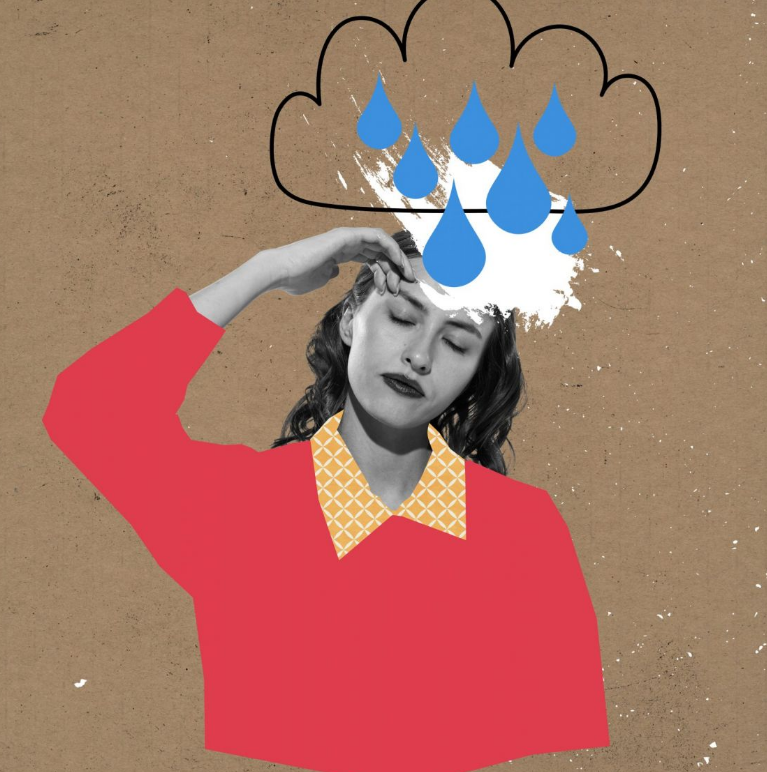
Rest Gap: Why Women Get Less Rest Than Men

Getty Images

Rest – we all need it, but it’s not always easy to come by. Whether it’s catching up on work, helping family, seeing friends, working out or doing chores, something always seems to get in the way. And, to make matters worse, for women, it can often be extra tricky to carve out time for ourselves to simply rest. A 2024 study found that, for women, the lines between work and personal life were becoming increasingly blurred, leading to nine in 10 women experiencing poor mental health…..…Story continues…

By: Meg Walters

Source: Stylist

.

Critics:

At least a third of adults aren’t getting the recommended amounts of sleep they need—and women suffer more sleep issues than men. This matters because not only has insufficient sleep been linked to heart disease, obesity, type 2 diabetes, and depression, it’s also associated with learning deficiencies. Women need on average 11 additional minutes of sleep each night.

Studies have shown women fall asleep faster and spend more time in deep sleep, suggesting a greater need for sleep. There’s no specific research-backed number when it comes to how many hours of sleep women need compared to men. Adults of any sex need 7 or more hours of sleep a day for optimal health. These rhythms, which govern the sleep-wake cycle, vary between males and females.

Melatonin: Females tend to experience more robust influxes of the sleep hormone melatonin than males. Chronotype: Males are more likely to be “night owls” with a preference for staying up late than females. Among non-modifiable factors, gender is seen to play a significant role, as many studies report a higher rate of sleep problems in females. However, the high prevalence of affective disorders in females and other socioeconomic disparities have complicated the role of gender in sleep quality.

Madrid-Valero and colleagues found that women were almost twice as likely as men to have poor sleep quality. Another study reported that women were 1.4 times more predisposed to insomnia than men. These gender differences might be due to hormonal or physiological changes. Everyone has different sleep requirements based on several factors. However, generally speaking, women need more sleep than men.

The difference isn’t dramatic — between 10 and 20 minutes per night — but it’s significant. And getting less sleep than needed can adversely affect a woman’s overall wellness. There are no state or federal laws against most opposite gender siblings sharing a room in their own home, but some institutions do regulate how spaces are shared. And though limited data exists describing the specifics of sleep and sleep disorders in women, research has shown that women may require more sleep than men to recover from the day.

Without it, they may be more susceptible to negative health risks. Researchers have discovered the best time for you to fall asleep to protect your heart and rest is between 10 and 11 p.m. A peer-reviewed study published Monday in the European Heart Journal analyzed the sleep and heart patterns of about 88,000 adults for six years. As with hypomania – a state of elevated mood, energy and activity that occurs with bipolar disorder – the need for sleep may be reduced when we are intensely in love.

We spend plenty of time trying to be with our beloved, and we spend less time asleep. Pooled analyses indicate that short sleepers (commonly < 7 h per night, often < 5 h per night) have a 12% greater risk, and long sleepers (commonly > 8 or 9 h per night) a 30% greater risk of dying than those sleeping 7 to 8 h per night. Specifically, sleeping on the side or back is considered more beneficial than sleeping on the stomach. In either of these sleep positions, it’s easier to keep your spine supported and balanced, which relieves pressure on the spine and enables your muscles to relax and recover.

Compared to individuals who had zero to one favorable sleep factors, those who had all five were 30% less likely to die for any reason, 21% less likely to die from cardiovascular disease, 19% less likely to die from cancer, and 40% less likely to die of causes other than heart disease or cancer. It can alleviate acid reflux, reduce snoring, ease back and neck pain, and improve digestion and sleep apnea symptoms.

While there isn’t a definitive “best” side to sleep on, left-side sleeping is recommended for pregnant individuals and those with heartburn as it can improve circulation and reduce acid reflux. Psychology Today reported that intelligent people are likely to be nocturnal beings, with those with a higher IQ going bed later on both weeknights and weekends. Reflux and heartburn: If you suffer from heartburn, sleeping on your right side can make symptoms worse, Salas says.

That’s true for people who have gastroesophageal reflux disease (GERD) and for people who have heartburn for other reasons, such as pregnant women. Flip to your left side to cool the burn. While generally safe, sleeping with socks on could pose risks if they’re too tight, disrupting circulation, or if they’re made from non-breathable material, causing overheating or moisture buildup.These could lead to interrupted sleep or foot health issues like athlete’s foot.

Sleeping nude can help your core temperature cool faster and lead to better sleep. Sleeping naked may improve health, partner intimacy, anxiety, and self-esteem. When sleeping naked, make sure your bedding is comfortable, the room temperature is optimal, and you prioritize personal hygiene before bed.


Healthy Sleep: Manifattura Falomo and Soudal Quick-Step Join ForcesSoudal Quick-Step Pro Cycling Team – Official Site 13:40 Tue, 26 Mar 
.
womenmentalhealth ,mentalhealthmatters ,womensupportingwomen ,selfcare ,mentalwellness ,mentalhealthawareness ,womenempowerment ,stressrelief ,anxiety ,healingjourney ,breakthestigma ,selflove ,womeninfluence ,mindfulness ,therapy ,femaleempowerment ,emotionalwellness ,mentalhealthsupport ,communitycare ,wellbeing

Thursday, September 25, 2025

What No One Told Me About Postpartum Anxiety Until I Lived It

Parents/GettyImages/juanma hache

Deep in the trenches of newborn parenting, I confessed to family and friends that I had crippling mom guilt and persistent feelings of inadequacy. Some nodded in recognition, while others brushed it off as “the ups and downs of parenting.” But my emotions wouldn’t ease up. It was my second high-risk pregnancy and difficult birth. I spent weeks in the neonatal intensive care unit (NICU), and experienced early struggles with feeding…….Continue reading…

By Hannah Silverman

Source: Parents

.

Critics:

Postpartum blues, also known as baby blues and maternity blues, is a very common but self-limited condition that begins shortly after childbirth and can present with a variety of symptoms such as mood swings, irritability, and tearfulness. Mothers may experience negative mood symptoms mixed with intense periods of joy. Up to 85% of new mothers are affected by postpartum blues, with symptoms starting within a few days after childbirth and lasting up to two weeks in duration.

Treatment is supportive, including ensuring adequate sleep and emotional support. If symptoms are severe enough to affect daily functioning or last longer than two weeks, the individual should be evaluated for related postpartum psychiatric conditions, such as postpartum depression and postpartum anxiety. It is unclear whether the condition can be prevented, however education and reassurance are important to help alleviate patient distress.

Symptoms of postpartum blues can vary significantly from one individual to another, and from one pregnancy to the next. Many symptoms of postpartum blues overlap both with normal symptoms experienced by new parents and with postpartum depression. Individuals with postpartum blues have symptoms that are milder and less disruptive to their daily functioning compared to those with postpartum depression. Symptoms of postpartum blues include, but are not limited to:

  • Tearfulness or crying “for no reason”
  • Mood swings
  • Irritability
  • Anxiety
  • Questioning one’s ability to care for the baby
  • Difficulty making choices
  • Loss of appetite
  • Fatigue
  • Difficulty sleeping
  • Difficulty concentrating
  • Negative mood symptoms interspersed with positive symptoms

Postpartum blues may last a few days up to two weeks. If symptoms last more than two weeks, evaluation for postpartum depression is recommended by the American Psychiatric Association. The causes of postpartum blues have not been clearly established. Most hypotheses regarding the etiology of postpartum blues and postpartum depression center on the intersection of the significant biological and psychosocial changes that occur with childbirth.

Pregnancy and postpartum are significant life events that increase a woman’s vulnerability for postpartum blues. Even with a planned pregnancy, it is normal to have feelings of doubt or regret, and it takes time to adjust to having a newborn. Feelings commonly reported by new parents and lifestyle changes that may contribute to developing early postpartum mood symptoms include:

  • Fatigue after labor and delivery
  • Caring for a newborn that requires 24/7 attention
  • Sleep deprivation
  • Lack of support from family and friends
  • Marital or relationship strain
  • Changes in home and work routines
  • Financial stress
  • Unrealistic expectations of self
  • Societal or cultural pressure to “bounce back” quickly after pregnancy and childbirth
  • Overwhelmed and questioning ability to care for baby
  • Anger, loss, or guilt, especially for parents of premature or sick infants

Most risk factors studied have not clearly and consistently demonstrated an association with postpartum blues. These include sociodemographic factors, such as age and marital status, and obstetric factors, such as delivery complications or low birth weight. Factors most consistently shown to be predictive of postpartum blues are personal and family history of depression.

This is of particular interest given of the bidirectional relationship between postpartum blues and postpartum depression: a history of postpartum depression appears to be a risk factor for developing postpartum blues, and postpartum blues confers a higher risk of developing subsequent postpartum depression.

Symptoms of anxiety and irritability are often predominant in the presentation of postpartum blues. However, compared to postpartum anxiety, symptoms of postpartum blues are less severe, resolve on their own, and last fewer than two weeks. Postpartum depression and postpartum blues may be indistinguishable when symptoms first begin.

However, symptoms of postpartum blues are less severe, resolve on their own, and last fewer than two weeks. Mothers who experience severe postpartum blues appear to be at increased risk of developing depression. Although both conditions can cause periods of high and low moods, the mood swings in postpartum psychosis are significantly more severe and may include mania, hallucinations, and delusions.

Postpartum psychosis is a rare condition, affecting 1-2 per 1000 women. Postpartum psychosis is classified as a psychiatric emergency and requires hospital admission. Given the mixed evidence regarding causes of postpartum blues, it is unclear whether prevention strategies would be effective in decreasing the risk of developing this condition.

However, educating women during pregnancy about postpartum blues may help to prepare them for these symptoms that are often unexpected and concerning in the setting of excitement and anticipation of a new baby. Mothers who develop postpartum blues often have significant shame or guilt for feelings of anxiety or depression during a time that is expected to be joyful. It is important to reassure new parents that low mood symptoms after childbirth are common and transient.

Obstetric providers may recommend that patients and their families prepare ahead of time to ensure the mother will have adequate support and rest after the delivery. Additionally, they should provide education and resources to family and friends about red flags of more severe perinatal psychiatric conditions that may develop, such as postpartum depression and postpartum psychosis.

Most mothers who develop postpartum blues experience complete resolution of symptoms by two weeks. However, a number of prospective studies have identified more severe postpartum blues as an independent risk factor for developing subsequent postpartum depression. More research is necessary to fully elucidate the association between postpartum blues and postpartum depression. Postpartum blues is a very common condition, affecting around 50–80% of new mothers based on most sources.

However, estimates of prevalence vary greatly in the literature, from 26 to 85%, depending on the criteria used. Precise rates are difficult to obtain given lack of standardized diagnostic criteria, inconsistency of presentation to medical care, and methodological limitations of retrospective reporting of symptoms.

Evidence demonstrates that postpartum blues exists across a variety of countries and cultures, however there is considerable heterogeneity in reported prevalence rates. For instance, reports of prevalence of postpartum blues in the literature vary from 15% in Japan to 60% in Iran. Underreporting of symptoms due to cultural norms and expectations may be one explanation for this heterogeneity.

In the last 4 hours
In the last 6 hours
In the last 8 hours
Earlier Today

Leave a Reply

How El Niño Could Trigger Poisonous Mushroom Surge

Tyler Holtman/Getty Images El Niño rainfall could cause poisonous mushrooms to spawn across California this winter. The warm phase of the ...