
Tyler Holtman/Getty Images
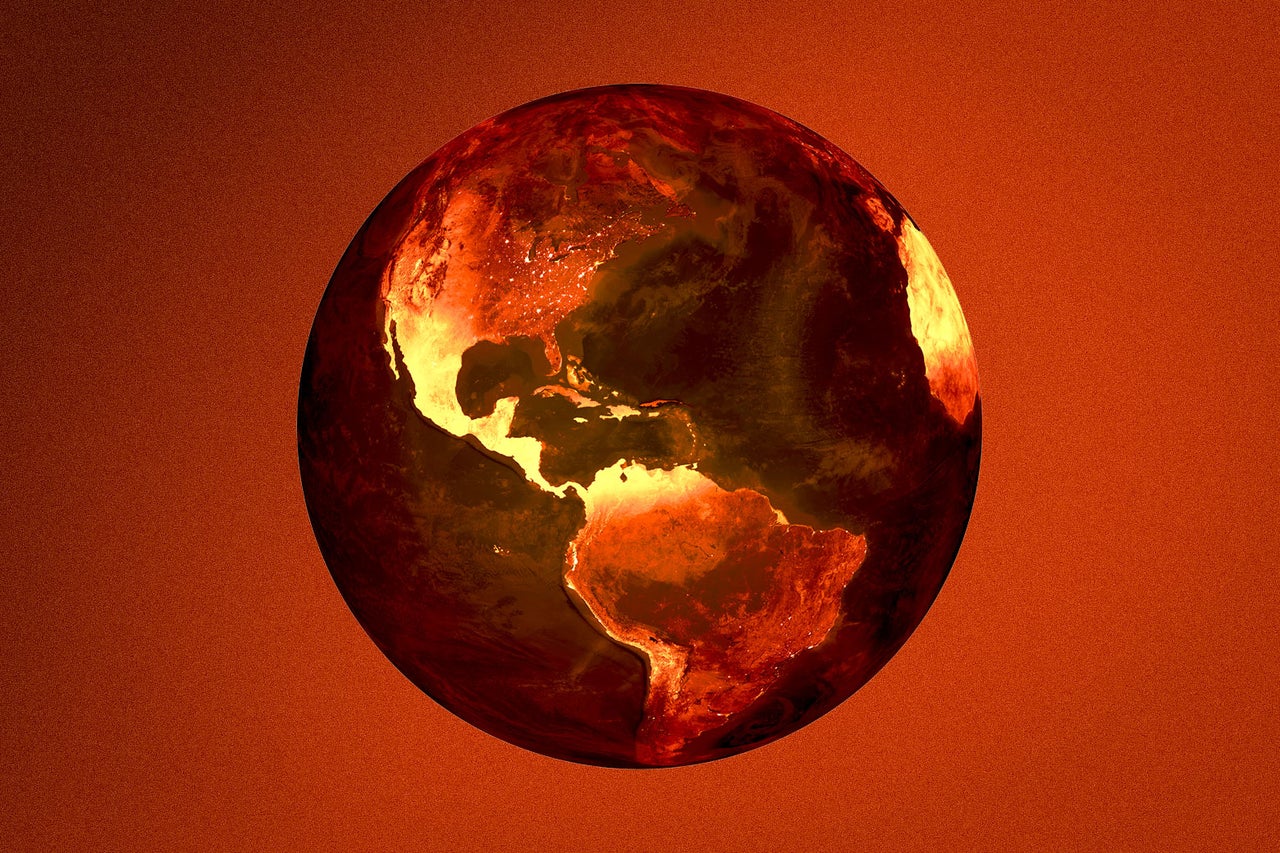
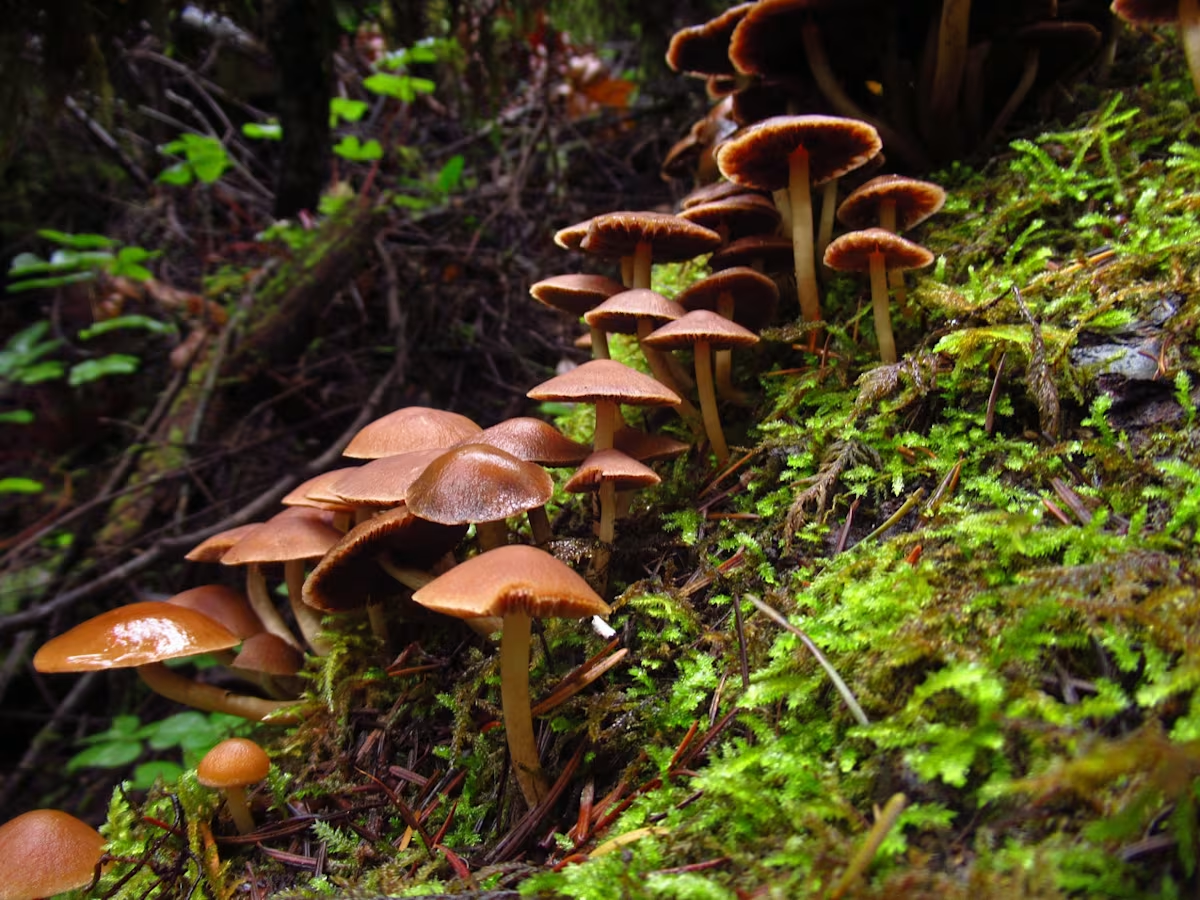
El Niño rainfall could cause poisonous mushrooms to spawn across California this winter. The warm phase of the El Niño-Southern Oscillation (ENSO) climate cycle is expected to bring wetter conditions toward the end of the year, creating the perfect environment for fungi to spread. This year’s event is already among the strongest on record—dubbed by media outlets as “super,” “mega,” and “Godzilla”—as it pushes the jet stream across North America. Rain is forecast in the south, warmer temperatures in the north, and an increased risk of coastal flooding throughout winter……….Continue reading….
By: Rebecca Robinson
Source: NewsWeek
.
Critics:
A natural disaster is the very harmful impact on a society or community brought by natural phenomenon or hazard. Some examples of natural hazards include avalanches, droughts, earthquakes, floods, heat waves, landslides including submarine landslides, tropical cyclones, volcanic activity and wildfires. Additional natural hazards include blizzards, dust storms, firestorms, hails, ice storms, sinkholes, thunderstorms, tornadoes and tsunamis.
A natural disaster can cause loss of life or damage property. It typically causes economic damage. How bad the damage is depends on how well people are prepared for disasters and how strong the buildings, roads, and other structures are. Scholars have argued the term “natural disaster” is unsuitable and should be abandoned. Instead, the simpler term disaster could be used. At the same time, the type of hazard would be specified.

A disaster happens when a natural or human-made hazard impacts a vulnerable community. It results from the combination of the hazard and the exposure of a vulnerable society. Nowadays it is hard to distinguish between “natural” and “human-made” disasters. The term “natural disaster” was already challenged in 1976. Human choices in architecture fire risk, and resource management can cause or worsen natural disasters. Climate change also affects how often disasters due to extreme weather hazards happen.
These “climate hazards” are floods, heat waves, wildfires, tropical cyclones, and the like. Some things can make natural disasters worse. Examples are inadequate building norms, marginalization of people and poor choices on land use planning. Many developing countries do not have proper disaster risk reduction systems. This makes them more vulnerable to natural disasters than high income countries. An adverse event only becomes a disaster if it occurs in an area with a vulnerable population.
Natural hazards occur across different time scales as well as area scales. Tornadoes and flash floods are rapid onset events, meaning they occur with a short warning time and are short-lived. Slow onset events can also be very damaging, for example drought is a natural hazards that develops slowly, sometimes over years. A natural disaster may cause loss of life, injury or other health impacts, property damage, loss of livelihoods and services, social and economic disruption, or environmental damage.
Globally, the total number of deaths from natural disasters has been reduced by 75% over the last 100 years, due to the increased development of countries, increased preparedness, better education, better methods, and aid from international organizations. Since the global population has grown over the same time period, the decrease in number of deaths per capita is larger, dropping to 6% of the original amount. The death rate from natural disasters is highest in developing countries due to the lower quality of building construction, infrastructure, and medical facilities
Global economic losses due to extreme weather, climate and water events are increasing. Costs have increased sevenfold from the 1970s to the 2010s. Direct losses from disasters have averaged above US$330 billion annually between 2015 and 2021. Socio-economic factors have contributed to this trend of increasing losses, such as population growth and increased wealth. This shows that increased exposure is the most important driver of economic losses. However, part of these are also due to human-induced climate change.
During emergencies such as natural disasters and armed conflicts more waste may be produced, while waste management is given low priority compared with other services. Existing waste management services and infrastructures can be disrupted, leaving communities with unmanaged waste and increased littering. Under these circumstances human health and the environment are often negatively impacted.
Natural disasters (e.g. earthquakes, tsunamis, hurricanes) have the potential to generate a significant amount of waste within a short period. Waste management systems can be out of action or curtailed, often requiring considerable time and funding to restore. For example, the tsunami in Japan in 2011 produced huge amounts of debris: estimates of 5 million tonnes of waste were reported by the Japanese Ministry of the Environment.
Some of this waste, mostly plastic and styrofoam washed up on the coasts of Canada and the United States in late 2011. Along the west coast of the United States, this increased the amount of litter by a factor of 10 and may have transported alien species. Storms are also important generators of plastic litter. A study by Lo et al. (2020) reported a 100% increase in the amount of microplastics on beaches surveyed following a typhoon in Hong Kong in 2018.
A significant amount of plastic waste can be produced during disaster relief operations. Following the 2010 earthquake in Haiti, the generation of waste from relief operations was referred to as a “second disaster”. The United States military reported that millions of water bottles and styrofoam food packages were distributed although there was no operational waste management system. Over 700,000 plastic tarpaulins and 100,000 tents were required for emergency shelters.
The increase in plastic waste, combined with poor disposal practices, resulted in open drainage channels being blocked, increasing the risk of disease. Conflicts can result in large-scale displacement of communities. People living under these conditions are often provided with minimal waste management facilities. Burn pits are widely used to dispose of mixed wastes, including plastics. Air pollution can lead to respiratory and other illnesses. For example, Sahrawi refugees have been living in five camps near Tindouf, Algeria for nearly 45 years.
As waste collection services are underfunded and there is no recycling facility, plastics have flooded the camps’ streets and surroundings. In contrast, the Azraq camp in Jordan for refugees from Syria has waste management services; of 20.7 tonnes of waste produced per day, 15% is recyclable. Landslides, also known as landslips, rockslips or rockslides, are several forms of mass wasting that may include a wide range of ground movements, such as rockfalls, mudflows, shallow or deep-seated slope failures and debris flows.
Landslides occur in a variety of environments, characterized by either steep or gentle slope gradients, from mountain ranges to coastal cliffs or even underwater, in which case they are called submarine landslides. Gravity is the primary driving force for a landslide to occur, but there are other factors affecting slope stability that produce specific conditions that make a slope prone to failure.
In many cases, the landslide is triggered by a specific event (such as heavy rainfall, an earthquake, a slope cut to build a road, and many others), although this is not always identifiable. Landslides are frequently made worse by human development (such as urban sprawl) and resource exploitation (such as mining and deforestation). Land degradation frequently leads to less stabilization of soil by vegetation
Additionally, global warming caused by climate change and other human impact on the environment, can increase the frequency of natural events (such as extreme weather) which trigger landslides. Landslide mitigaon describes the policy and practices for reducing the risk of human impacts of landslides, reducing the risk of natural disaster.An earthquake is the result of a sudden release of energy in the Earth’s crust that creates seismic waves.
At the Earth’s surface, earthquakes manifest themselves by vibration, shaking, and sometimes displacement of the ground. Earthquakes are caused by slippage within geological faults. The underground point of origin of the earthquake is called the seismic focus. The point directly above the focus on the surface is called the epicenter. Earthquakes by themselves rarely kill people or wildlife – it is usually the secondary events that they trigger, such as building collapse, fires, tsunamis and volcanic eruptions, that cause death.
Many of these can possibly be avoided by better construction, safety systems, early warning and planning. A tsunami harbour wave”;also known as a seismic sea wave or tidal wave, is a series of waves in a water body caused by the displacement of a large volume of water, generally in an ocean or a large lake. Tsunamis can be caused by undersea earthquakes such as the 2004 Boxing Day tsunami, or by landslides such as the one in 1958 at Lituya Bay, Alaska, or by volcanic eruptions such as the ancient eruption of Santorini.
On March 11, 2011, a tsunami occurred near Fukushima, Japan and spread through the Pacific Ocean.Wildfires are large fires which often start in wildland areas. Common causes include lightning and drought but wildfires may also be started by human negligence or arson. They can spread to populated areas and thus be a threat to humans and property, as well as wildlife. One example for a notable wildfire is the 1871 Peshtigo Fire in the United States, which killed at least 1700 people.
Another one is the 2009 Victorian bushfires in Australia (collectively known as “Black Saturday bushfires”). In that year, a summer heat wave in Victoria, Australia, created conditions which fueled the massive bushfires in 2009. Melbourne experienced three days in a row of temperatures exceeding 40 °C (104 °F), with some regional areas sweltering through much higher temperatures.Preventive or mitigation measures vary for different types of disasters.
In earthquake prone areas, these preventive measures might include structural changes such as the installation of an earthquake valve to instantly shut off the natural gas supply, seismic retrofits of property, and the securing of items inside a building. The latter may include the mounting of furniture, refrigerators, water heaters and breakables to the walls, and the addition of cabinet latches.
In flood prone areas, houses can be built on stilts. In areas prone to prolonged electricity black-outs installation of a generator ensures continuation of electrical service. The construction of storm cellars and fallout shelters are further examples of personal mitigative actions….






Leave a Reply