Showing posts with label FamilyMeals. Show all posts

Wednesday, November 25, 2026

Family Dinner – How To Make It Work At Every Stage

Family Dinner

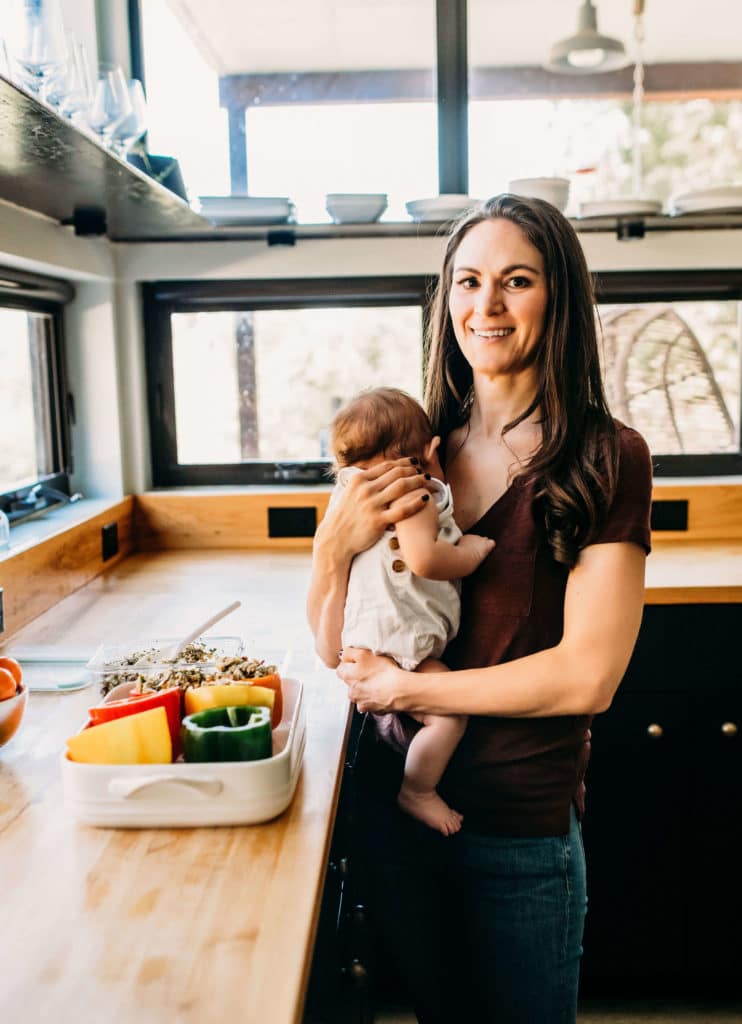
Family dinner isn’t just about food, it’s a way to connect when life gets crazy. Here’s how to pull it off, no matter what life stage you’re in. According to the Family Dinner Project, having dinner together is even more beneficial for kids’ vocabulary than reading. And the benefits don’t stop there! Family dinners are also associated with higher grades, lower incidence of drug use and eating disorders in teens, and consumption of more fruits and vegetables. While it’s not always easy when life gets busy, having family dinners at least most nights is certainly a goal worth fighting for!………Continue reading….

Source: PrepDish

.

Critics:

Family dinner means we’re sitting around our dining table, eating and talking with each other. No phones or other electronic devices are present. So, whether we have a home-cooked meal or a plastic Panda Express bowl in front of us, we’re together and we’re at the table. When a family sits down together, it helps them handle the stresses of daily life and the hassles of day-to-day existence.

Eating together tends to promote more sensible eating habits, which in turn helps family members manage their weight more easily. Studies have tied shared family meals to increased re- siliency and self-esteem in children, higher academic achievement, a healthier relationship to food, and even reduced risk of substance abuse and eating disor- ders.

Family-style dining includes an affordable menu, seated table service, and a warm and relaxed atmosphere. “Family-style” is a method of dining where servers place all components of a meal on the table and allow everyone to serve themselves. They place large serving dishes in the middle of the table. If the meal is eaten with others at the table, talking about their day or anything else on their minds, it’s a family dinner.

A take-out dinner may not have the same nutritional value as a home-cooked meal because restaurant food tends to be higher in fat, salt, and sugar. Studies show that children who share three or more family meals per week are more likely to have a healthy weight and a healthier diet than those who share fewer than three family meals.

Even though the ATUS data indicate that slightly more than half of dinners are eaten with family (compared to the NSCH, which says about three-quarters of families regularly eat with each other), both datasets show that the trend in eating dinner with family is slightly up since the early 2000s. A 2018 study in JAMA Network Open found that eating meals with family members is associated with a better diet overall, especially among adolescents.

2 Teens who ate with family were more likely to consume more fruits and vegetables and less fast food and sugary beverages. Family dinner increases self-esteem and resiliency in children and teens and decreases their risk of depression. With anxiety and depression being seen and noted more frequently in children across all age groups, eating meals together is a simple and effective way to curb those risks.

A family meal is when you all down together, facing each other, and share the same food, no matter what you eat. Following the division of responsibility in feeding helps keep family meals pleasant.

  1. Plan the Menu. First thing’s first: You need to plan the menu. To do this, take into consideration everyone’s dietary and taste preferences….
  2. Pick a Location. Choose where you plan to serve dinner. …
  3. Get the Kids Involved. Getting the kids involved with cooking is another way to enjoy more cozy dinners with the family.

Keep staples like whole grains (brown rice, quinoa, whole wheat pasta), canned beans, low-sodium broths, and a variety of spices on hand. Opt for snacks like nuts, seeds, and dried fruits for quick, nutritious options. When a family sits down together, it helps them handle the stresses of daily life and the hassles of day-to-day existence. Eating together tends to promote more sensible eating habits, which in turn helps family members manage their weight more easily.

Studies have tied shared family meals to increased re- siliency and self-esteem in children, higher academic achievement, a healthier relationship to food, and even reduced risk of substance abuse and eating disor- ders. If we have a sugar spike after eating late, our body has a harder time regulating blood sugar, Panda says. This could put us at risk of diabetes and other metabolic disorders. For that reason, he says the ideal dinnertime is three to four hours before bed.

Sunday, August 23, 2026

The Most Popular Snacks To Put in Your Kids’ Lunchbox

Grocery shopping for school-age kids is not a relaxing, easy-to-manage weekly chore. It’s a constant battle to make sure the refrigerator is stocked with enough fruit to feed an army, cold cuts for sandwiches, and chicken nuggets and frozen pizza to feed hungry kids after sports practice. During the school year, when schedules are even more packed and kids are exhausted after a day of school and extracurriculars, it’s even more important that parents stock their cabinets with the snacks their kids will actually eat…….Continue reading….

By Elisabeth Sherman

Source: Parents

.

Critics:

Free school meals can be universal school meals for all students or limited by income-based criteria, which can vary by country. A 2018 study of a free school meal program in the United States found that providing free meals to elementary and middle school children in areas characterized by high food insecurity led to better school discipline among the students. As of 2022 in England, 20.8% of the 8.9 million pupils attending schools in 2020–21 are known to be eligible for free school meals.

Free school meals available for all students are also called Universal school meals. Sweden, Finland, Estonia, Brazil and India are among the few countries which provide universal school meals to all pupils in compulsory education, regardless of their ability to pay. In India, where all Government School students are provided with free lunches through the Midday Meal Scheme, staple foods are provided along with free education. Several states in the US offer universal school meals.

School meals can also be targeted, often toward students who are poor or otherwise vulnerable. Such targeting can be geographic (providing school meals in all schools with a region that is deemed food insecure or lower income), school-based (targeting schools with a population of generally poor students), or based on individual characteristics (targeting students based on their household income, ethnic status, or other individual traits).

Across different settings and school meal programs, many different approaches are used when targeting school meals. Reduced price meals are also available in some countries to those who need a degree of assistance with costs. Lower-cost meals are available to students in such countries as France, Italy, Hong Kong, Japan, Portugal, and the United States. In some programs, meals are made available for purchase in school cafeterias/canteens at full price.

For example, in the United States, students who do not qualify for reduced price lunches can still purchase food at the full price. In the United Arab Emirates, all food in school cafeterias is available for purchase, though prices reflect only the cost of the food itself. School meals can be cooked in a kitchen (whether in each school or in a centralized kitchen, with the cooked food then delivered to individual schools).

School meals can also be uncooked, serving cold sandwiches or packaged biscuits. For example, the National School Nutrition Program in Egypt serves only Ma’amoul, a baked food item made with dates.The objectives and benefits of school meals vary. In developing countries, school meals provide food security at times of crisis and help children to become healthy and productive adults, thus helping to break the cycle of poverty and hunger.

They can address micronutrient deficiencies by serving diverse foods or including fortified foods. They also serve as an incentive to send children to school and continue their education, and they can be leveraged specifically to reduce barriers to schooling for girls. When school meals are targeted toward low-income or vulnerable children, they serve as a social safety net.Especially in developed countries, school meals are structured to encourage healthy eating habits.

School meal programs can also be aimed at supporting the domestic or local agricultural sector. Today, the National School Lunch Program is a federal nutrition assistance program operating in over 101,000 public schools, non-profit private schools, and residential care institutions. It is regulated and administered at the federal level by the Food and Nutrition Service of the United States Department of Agriculture (USDA).

The program provides “nutritionally balanced meals” at low or no cost to more than 31 million children each school day. Since its inception, the Program has expanded substantially. It now includes the School Breakfast Program, the Snack Program, a Child and Adult Care Food Program, and the Summer Food Service Program. At the State level, the National School Lunch Program is usually administered by state education agencies, which operate the program through agreements with school food authorities.

School meal programs in the United States provide meals free of charge, or at a reduced (government-subsidized) price, to the children of low-income families. Those who do not qualify for free or reduced price are charged a nominal fee.

Monday

Parents unaware of major free school meal rule change coming next month

.
SchoolMeal ,LunchIdeas ,HealthyKids ,KidsFood ,FoodForKids ,SchoolLunch ,MealPrepIdeas ,MomLife ,ParentingHacks ,EasyRecipes ,BackToSchool ,FamilyMeals ,HomeCooking,Foodie,HealthyEating ,NutritionForKids ,LunchBoxIdeas ,WhatMyKidAte ,PickyEaters ,MealInspiration ,StudentLife ,HomemadeLunch ,QuickMeals ,SchoolFood ,LunchGoals ,FoodPhotography ,KidsNutrition ,WeekdayMeals ,MySchoolMeal ,EatWellLiveWell

Leave a Reply

Turn Any Memory Into a Large-Print Puzzle Book With Memory Lane Book Studio

Memory Lane Book Studio combines AI-written nostalgia themes with large-print puzzle generation, answer keys and paperback cover production...