Showing posts with label DepressionAwareness. Show all posts

Wednesday, November 4, 2026

Seasonal Affective Disorder Can Be Triggered By Shorter Days

Charlie Riedel / AP Photo

As winter approaches and daylight hours grow shorter, people prone to seasonal depression can feel it in their bodies and brains. The millions of people estimated to have seasonal affective disorder, or SAD, typically have episodes of depression that begin in the fall and ease in the spring or summer. One trigger for SAD is when clocks revert to standard time, which happened Sunday across much of the U.S., bringing darker afternoons. A milder form, subsyndromal SAD, is recognized by medical experts, and there’s also a summer variety of seasonal depression, though less is known about it………Continue reading…

By  Carla K. Johnson

Source: AP News

.

Critics:

Acute stressful situations where the stress experienced is severe is a cause of change psychologically to the detriment of the well-being of the individual, such that symptomatic derealization and depersonalization, and anxiety and hyperarousal, are experienced. The International Classification of Diseases includes a group of mental and behavioral disorders which have their aetiology in reaction to severe stress and the consequent adaptive response.

Chronic stress, and a lack of coping resources available, or used by an individual, can often lead to the development of psychological issues such as delusions, depression and anxiety (see below for further information). Chronic stress also causes brain atrophy, which is the loss of neurons and the connections between them. It affects the part of the brain that is important for learning, responding to the stressors and cognitive flexibility.

Chronic stressors may not be as intense as acute stressors such as natural disaster or a major accident, but persist over longer periods of time and tend to have a more negative effect on health because they are sustained and thus require the body’s physiological response to occur daily. This depletes the body’s energy more quickly and usually occurs over long periods of time, especially when these microstressors cannot be avoided (i.e. stress of living in a dangerous neighborhood).

See allostatic load for further discussion of the biological process by which chronic stress may affect the body. For example, studies have found that caregivers, particularly those of dementia patients, have higher levels of depression and slightly worse physical health than non-caregivers. When humans are under chronic stress, permanent changes in their physiological, emotional, and behavioral responses may occur.

Chronic stress can include events such as caring for a spouse with dementia, or may result from brief focal events that have long term effects, such as experiencing a sexual assault. Studies have also shown that psychological stress may directly contribute to the disproportionately high rates of coronary heart disease morbidity and mortality and its etiologic risk factors. Specifically, acute and chronic stress have been shown to raise serum lipids and are associated with clinical coronary events.

However, it is possible for individuals to exhibit hardiness—a term referring to the ability to be both chronically stressed and healthy. Even though psychological stress is often connected with illness or disease, most healthy individuals can still remain disease-free after being confronted with chronic stressful events. This suggests that there are individual differences in vulnerability to the potential pathogenic effects of stress; individual differences in vulnerability arise due to both genetic and psychological factors.

In addition, the age at which the stress is experienced can dictate its effect on health. Research suggests chronic stress at a young age can have lifelong effects on the biological, psychological, and behavioral responses to stress later in life. The term “stress” had none of its contemporary connotations before the 1920s. It is a form of the Middle English destresse, derived via Old French from the Latin stringere, “to draw tight”.

The word had long been in use in physics to refer to the internal distribution of a force exerted on a material body, resulting in strain. In the 1920s and ’30s, biological and psychological circles occasionally used the term to refer to a mental strain or to a harmful environmental agent that could cause illness. Walter Cannon used it in 1926 to refer to external factors that disrupted what he called homeostasi.

But “…stress as an explanation of lived experience is absent from both lay and expert life narratives before the 1930s”. Physiological stress represents a wide range of physical responses that occur as a direct effect of a stressor causing an upset in the homeostasis of the body. Upon immediate disruption of either psychological or physical equilibrium the body responds by stimulating the nervous, endocrine, and immune systems.

The reaction of these systems causes a number of physical changes that have both short- and long-term effects on the body. The Holmes and Rahe stress scale was developed as a method of assessing the risk of disease from life changes. The scale lists both positive and negative changes that elicit stress. These include things such as a major holiday or marriage, or death of a spouse and firing from a job.

Homeostasis is a concept central to the idea of stress. In biology, most biochemical processes strive to maintain equilibrium (homeostasis), a steady state that exists more as an ideal and less as an achievable condition. Environmental factors, internal or external stimuli, continually disrupt homeostasis; an organism’s present condition is a state of constant flux moving about a homeostatic point that is that organism’s optimal condition for living.

Factors causing an organism’s condition to diverge too far from homeostasis can be experienced as stress. A life-threatening situation such as a major physical trauma or prolonged starvation can greatly disrupt homeostasis. On the other hand, an organism’s attempt at restoring conditions back to or near homeostasis, often consuming energy and natural resources, can also be interpreted as stress. The brain cannot sustain an equilibrium under chronic stress; the accumulation of such an ever-deepening deficit is called chronic stress.

The ambiguity in defining this phenomenon was first recognized by Hans Selye (1907–1982) in 1926. In 1951 a commentator loosely summarized Selye’s view of stress as something that “…in addition to being itself, was also the cause of itself, and the result of itself”. First to use the term in a biological context, Selye continued to define stress as “the non-specific response of the body to any demand placed upon it”.

Neuroscientists such as Bruce McEwen and Jaap Koolhaas believe that stress, based on years of empirical research, “should be restricted to conditions where an environmental demand exceeds the natural regulatory capacity of an organism”. The brain cannot live in an harsh family environment, it needs some sort of stability between another brain. People who have reported being raised in harsh environments such as verbal and physical aggression have showed a more immune dysfunction and more metabolic dysfunction.

Indeed, in 1995 Toates already defined stress as a “chronic state that arises only when defense mechanisms are either being chronically stretched or are actually failing,”while according to Ursin (1988) stress results from an inconsistency between expected events (“set value”) and perceived events (“actual value”) that cannot be resolved satisfactorily, which also puts stress into the broader context of cognitive-consistency theory.

Stress can have many profound effects on the human biological systems.Biology primarily attempts to explain major concepts of stress using a stimulus-response paradigm, broadly comparable to how a psychobiological sensory system operates. The central nervous system (brain and spinal cord) plays a crucial role in the body’s stress-related mechanisms. Whether one should interpret these mechanisms as the body’s response to a stressor or embody the act of stress itself is part of the ambiguity in defining what exactly stress is.

The central nervous system works closely with the body’s endocrine system to regulate these mechanisms. The sympathetic nervous system becomes primarily active during a stress response, regulating many of the body’s physiological functions in ways that ought to make an organism more adaptive to its environment. Below there follows a brief biological background of neuroanatomy and neurochemistry and how they relate to stress.

Stress, either severe, acute stress or chronic low-grade stress may induce abnormalities in three principal regulatory systems in the body: serotonin systems, catecholamine systems, and the hypothalamic-pituitary-adrenocortical axis. Aggressive behavior has also been associated with formalities in these systems.

SeasonalAffectiveDisorder ,SAD ,MentalHealthAwareness ,MentalHealthMatters ,SelfCare ,LightTherapy ,WinterBlues ,EmotionalWellness ,Mindfulness ,MentalHealthSupport ,HealthyLiving ,DepressionAwareness ,SeasonalDepression ,Wellbeing ,FindYourLight ,PositiveVibes ,MentalHealthTips ,WellnessJourney ,MoodBoosters

Wednesday, August 26, 2026

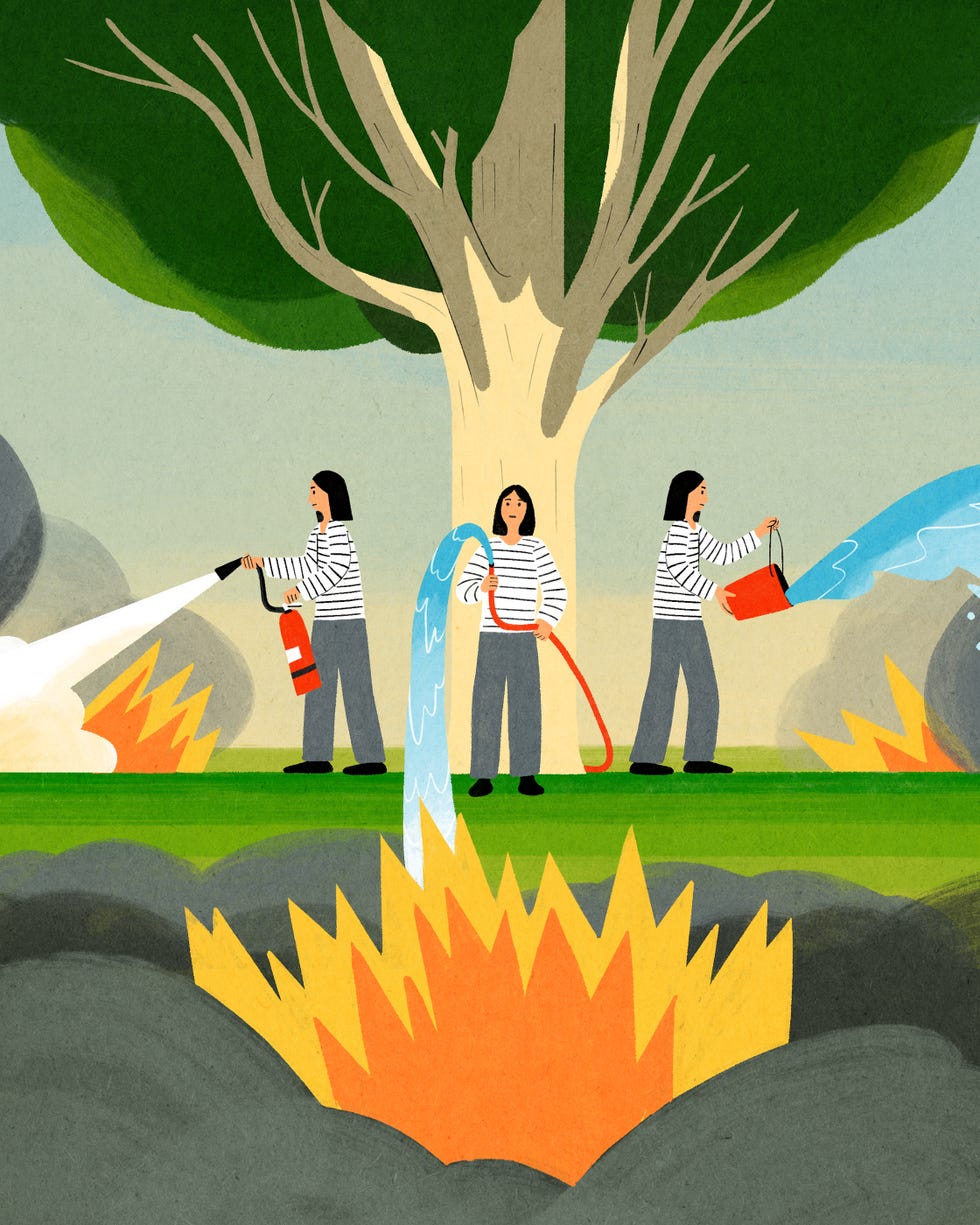
Stop, Drop and Roll For ‘Emotional Fires’ Aims To Prevent Suicide

Bryan Johnson

It always seemed like Regina Renaye Kinney, now 41, had it all as a smart, successful businesswoman. But for years, very few people knew that she was mired in the depths of a serious depression. “I would hide through my achievements and good grades and good jobs,” she recalls. “But I was really masking. On the inside, I was miserable.” The disconnect between her inner self and what she projected to the world felt unbearable and drove her to multiple suicide attempts over the course of several decades………Continue reading…..

By:

Source: Oprah Daily

.

Critics:

Suicide, derived from Latin suicidium, is “the act of taking one’s own life”. Attempted suicide, or non-fatal suicidal behavior, amounts to self-injury with at least some desire to end one’s life that does not result in death. Assisted suicide occurs when one individual helps another bring about their own death indirectly by providing either advice or the means to the end. 

Euthanasia, more specifically voluntary euthanasia, is where another person takes a more active role in bringing about a person’s death. Suicidal ideation is thoughts of ending one’s life but not taking any active efforts to do so. It may or may not involve exact planning or intent. Suicidality is defined as “the risk of suicide, usually indicated by suicidal ideation or intent, especially as evident in the presence of a well-elaborated suicidal plan.”

In a murder–suicide (or homicide–suicide), the individual aims at taking the lives of others at the same time. A special case of this is extended suicide, where the murder is motivated by seeing the murdered persons as an extension of their self. Suicide in which the reason is that the person feels that they are not part of society is known as egoistic suicide.

The Centre for Suicide Prevention in Canada found that the normal verb in scholarly research and journalism for the act of suicide was commit, and argued for destigmatizing terminology related to suicide; in 2011, they published an article calling for changing the language used around suicide entitled “Suicide and language: Why we shouldn’t use the ‘C’ word”.

The American Psychological Association lists “committed suicide” as a term to avoid because it “frame[s] suicide as a crime.” Some advocacy groups recommend using the terms took his/her own life, died by suicide, or killed him/herself instead of committed suicide. The Associated Press Stylebook recommends avoiding “committed suicide” except in direct quotes from authorities.

The Guardian and Observer style guides deprecate the use of “committed”,as does CNN. Opponents of commit argue that it implies that suicide is criminal, sinful, or morally wrong. There is no known unifying underlying pathophysiology for suicide; it is believed to result from an interplay of behavioral, socio-economic and psychological factors. 

Low levels of brain-derived neurotrophic factor (BDNF) are directly associated with suicide and indirectly associated through its role in major depression, post-traumatic stress disorder, schizophrenia and obsessive–compulsive disorder. Post-mortem studies have found reduced levels of BDNF in the hippocampus and prefrontal cortex, in those with and without psychiatric conditions

Serotonin, a brain neurotransmitter, is believed to be low in those who die by suicide. This is partly based on evidence of increased levels of 5-HT2A receptors found after death. Other evidence includes reduced levels of a breakdown product of serotonin, 5-hydroxyindoleacetic acid, in the cerebral spinal fluid. However, direct evidence is hard to obtain. Epigenetics, the study of changes in genetic expression in response to environmental factors which do not alter the underlying DNA, is also believed to play a role in determining suicide risk.

Factors that affect the risk of suicide include mental disorders, drug misuse, psychological states, cultural, family and social situations, genetics, experiences of trauma or loss, and nihilism. Mental disorders and substance misuse frequently co-exist. Other risk factors include having previously attempted suicide, the ready availability of a means to take one’s life, a family history of suicide, or the presence of traumatic brain injury.

For example, suicide rates have been found to be greater in households with firearms than those without them. Recent research examining 3,018 US counties found that “the distribution of suicide rates across US states corresponded to variations in [social determinants of health] cluster distribution in each state. Socio-economic problems such as unemployment, poverty, homelessness, and discrimination may trigger suicidal thoughts.

Suicide might be rarer in societies with high social cohesion and moral objections against suicide. Genetics appears to account for between 38% and 55% of suicidal behaviors. Suicides may also occur as a local cluster of cases. Most research does not distinguish between risk factors that lead to thinking about suicide and risk factors that lead to suicide attempts. Risks for suicide attempt, rather than just thoughts of suicide, include a high pain tolerance and a reduced fear of death.

Autistic individuals, on average, face more mental health and social challenges than non-autistic individuals, including higher rates of anxiety, depression, and social isolation. They attempt and consider suicide more frequently than the general population. Autistic people are about three times as likely as non-autistic people to attempt suicide. Suicide is a leading cause of early death for autistic people without co-occurring learning disabilities.

Some environmental exposures, including air pollution, intense sunlight, sunlight duration, hot weather, and high altitude, are associated with suicide. There is a possible association between short-term PM10 exposure and suicide. These factors might affect certain high-risk individuals more than others. The time of year may also affect suicide rates. There appears to be a decrease around Christmas, but an increase in rates during spring and summer, which might be related to exposure to sunshine.

Another study found that the risk may be greater for males on their birthday. Genetics might influence rates of suicide. A family history of suicide, especially in the mother, affects children more than adolescents or adults. Adoption studies have shown that this is the case for biological relatives, but not adopted relatives. This makes familial risk factors unlikely to be due to imitation. Once mental disorders are accounted for, the estimated heritability rate is 36% for suicidal ideation and 17% for suicide attempts.

An evolutionary explanation for suicide is that it may improve inclusive fitness. This may occur if the person dying by suicide cannot have more children and takes resources away from relatives by staying alive. An objection to this explanation is that deaths by healthy adolescents likely do not increase inclusive fitness. Adaptation to a very different ancestral environment may be maladaptive in the current one.

There is an association between suicidality and physical health problems such as chronic pain, traumatic brain injury, cancer, chronic fatigue syndrome, kidney failure (requiring hemodialysis), HIV, and systemic lupus erythematosus. The diagnosis of cancer approximately doubles the subsequent frequency of suicide. The prevalence of increased suicidality persisted after adjusting for depressive illness and alcohol abuse.

Among people with more than one medical condition the frequency was particularly high. In Japan, health problems are listed as the primary justification for suicide. Sleep disturbances, such as insomnia and sleep apnea, are risk factors for depression and suicide. In some instances, the sleep disturbances may be a risk factor independent of depression.

A number of other medical conditions may present with symptoms similar to mood disorders, including hypothyroidism, Alzheimer’s, brain tumors, systemic lupus erythematosus, and adverse effects from a number of medications (such as beta blockers and steroids). Mental illness is present at the time of suicide 27% to more than 90% of the time.

Of those who have been hospitalized for suicidal behavior, the lifetime risk of suicide is 8.6%. Comparatively, non-suicidal people hospitalized for affective disorders have a 4% lifetime risk of suicide. Half of all people who die by suicide may have major depressive disorder; having this or one of the other mood disorders such as bipolar disorder increases the risk of suicide 20-fold.

Other conditions implicated include schizophrenia (14%), personality disorders (8%), obsessive–compulsive disorder, and post-traumatic stress disorder. Others estimate that about half of people who die by suicide could be diagnosed with a personality disorder, with borderline personality disorder being the most common. About 5% of people with schizophrenia die of suicide. Eating disorders are another high risk condition.

Around 22% to 50% of people with gender dysphoria have attempted suicide, however this greatly varies by region. Among approximately 80% of suicides, the individual has seen a physician within the year before their death, including 45% within the prior month. Approximately 25–40% of those who died by suicide had contact with mental health services in the prior year. Antidepressants of the SSRI class appear to increase the frequency of suicide among children and young persons. An unwillingness to get help for mental health problems also increases the risk.

Nightmare rise of AI psychosis. It’s leading to divorce, institutionalisation and even suicide. For Allan it started by asking chatbot a simple question

Tribute honoring soldiers who died by suicide on display in Ozark WSFA TV 12, Alabama 18:50 

.

MentalHealthMatters ,DepressionAwareness ,Suicide ,BreakTheStigma ,MentalWellness ,AnxietyRelief ,HealingJourney ,Mindfulness ,PositiveVibes ,TherapyWorks ,CopingSkills ,SupportSystem ,YouAreNotAlone ,Wellbeing ,InnerPeace ,MentalHealthSupport ,EmotionalHealth ,FindingJoy ,SpeakUp ,RecoveryIsPossible ,MentalHealthEducation ,UnderstandingDepression ,DepressionHelp ,EndTheStigma ,TodayWeRise ,MyMentalHealthJourney ,MentalHealthTips ,DepressionSupport ,ViralMentalHealth ,CommunityOfHope

Leave a Reply

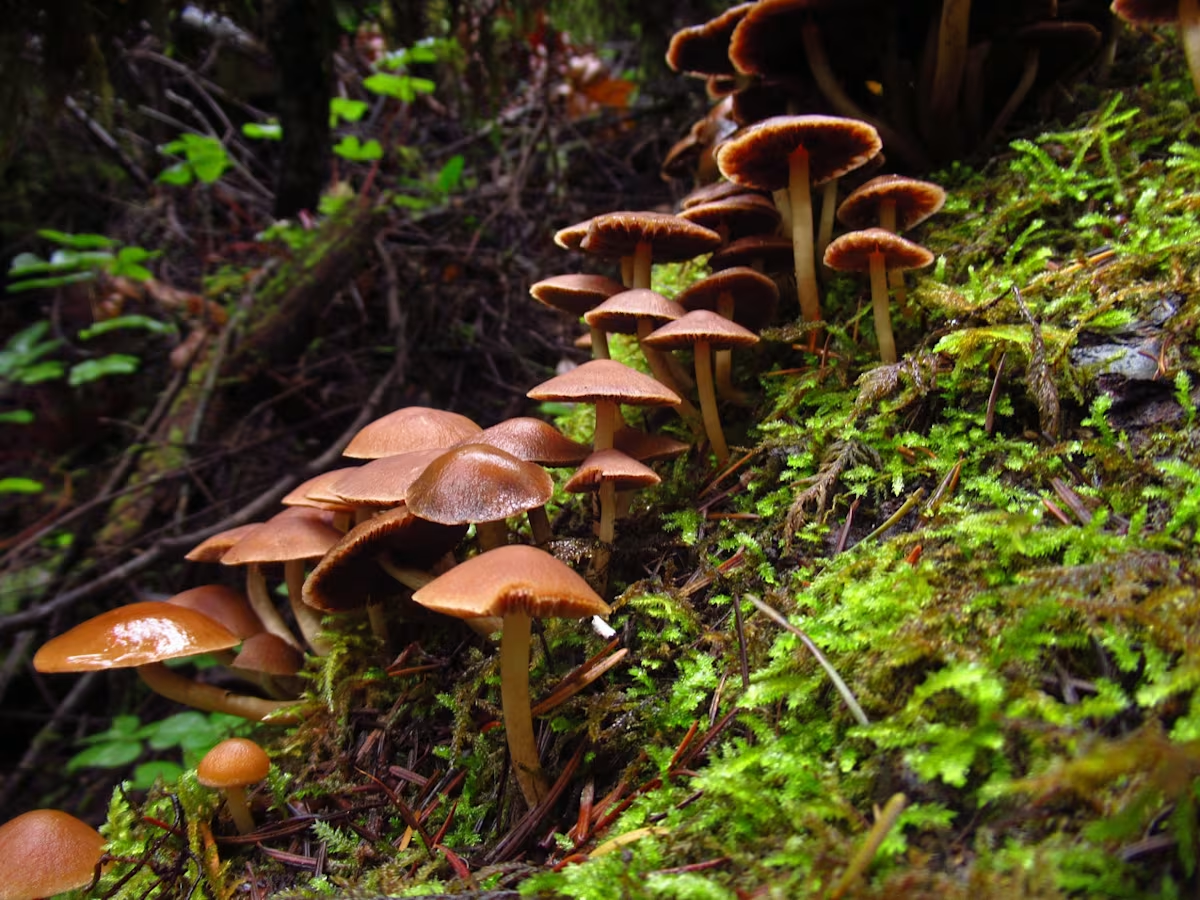
How El Niño Could Trigger Poisonous Mushroom Surge

Tyler Holtman/Getty Images El Niño rainfall could cause poisonous mushrooms to spawn across California this winter. The warm phase of the ...