Showing posts with label Biohacking. Show all posts

Tuesday, November 17, 2026

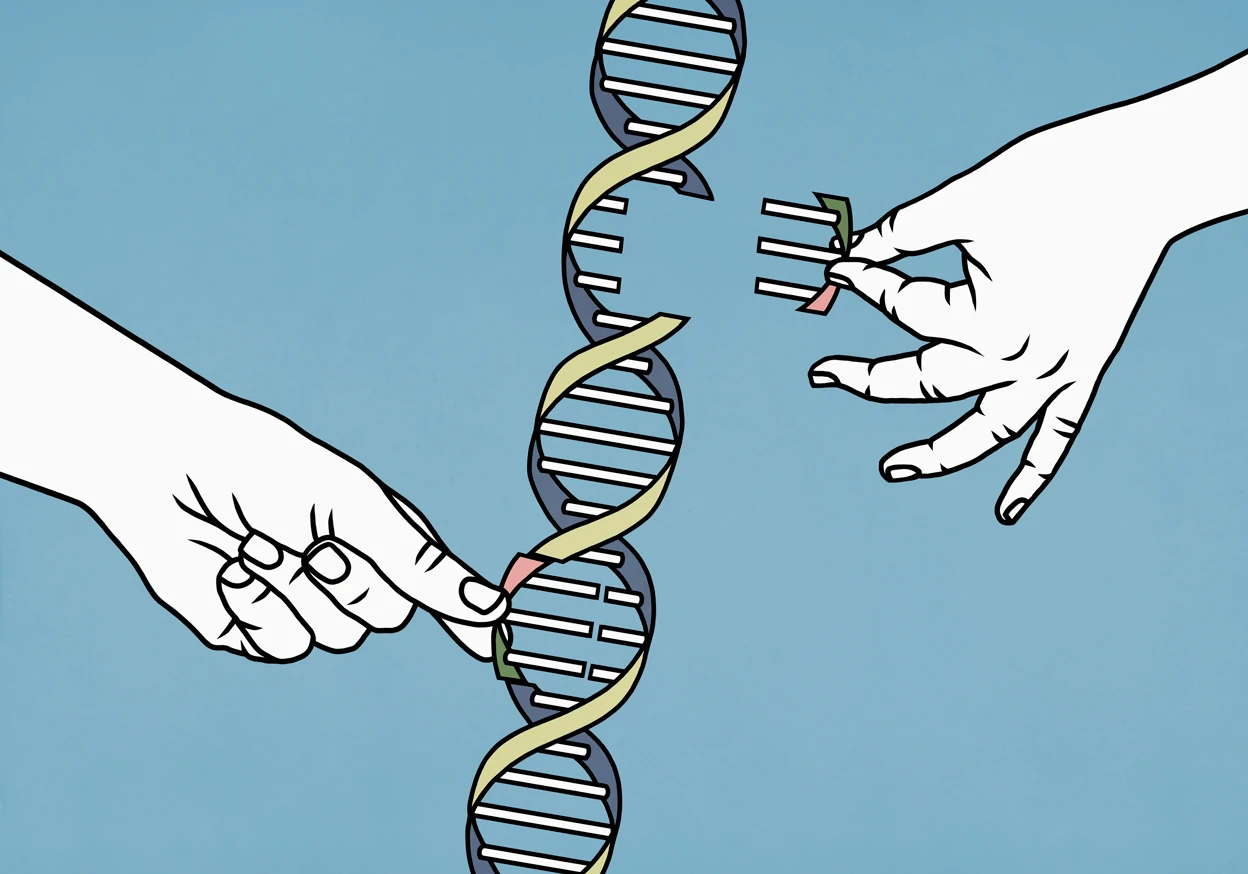
Why Is It So Hard To Rewrite A Genome?

Malte Mueller/Getty

When Patrick Yizhi Cai reflects on the state of synthetic genomics, he recalls the Big DNA Contest. Launched in 2004, the competition challenged synthetic biologists to design a novel, functional 40,000-base-pair DNA sequence that the contest sponsor, US DNA-synthesis firm Blue Heron Biotech (now Eurofins Genomics Blue Heron) would manufacture for free…….Continue reading….

By: Michael Eisenstein

Source: Nature

.

Critics:

A genome is all the genetic information of an organism. It consists of nucleotide sequences of DNA (or RNA in RNA viruses). The nuclear genome includes protein-coding genes and non-coding genes, other functional regions of the genome such as regulatory sequences (see non-coding DNA), and often a substantial fraction of junk DNA with no evident function.

Almost alleukaryotes have mitochondria and a small mitochondrial genome. Algae and plants also contain chloroplasts with a chloroplast genome.The study of the genome is called genomics. The genomes of many organisms have been sequenced and various regions have been annotated. The first genome to be sequenced was that of the virus φX174 in 1977; the first genome sequence of a prokaryote (Haemophilus influenzae) was published in 1995; the yeast (Saccharomyces cerevisiae) genome was the first eukaryotic genome to be sequenced in 1996.

The Human Genome Project was started in October 1990, and the first draft sequences of the human genome were reported in February 2001. The term genome was created in 1920 by Hans Winkler, professor of botany at the University of Hamburg, Germany. The website Oxford Dictionaries and the Online Etymology Dictionary suggest the name is a blend of the words gene and chromosome.

However, see omics for a more thorough discussion. A few related -ome words already existed, such as biome and rhizome, forming a vocabulary into which genome fits systematically. The term “genome” usually refers to the DNA (or sometimes RNA) molecules that carry the genetic information in an organism, but sometimes it is uncertain which molecules to include; for example, bacteria usually have one or two large DNA molecules

Chromosomes that contain all of the essential genetic material but they also contain smaller extrachromosomal plasmid molecules that carry important genetic information. In the scientific literature, the term ‘genome’ usually refers to the large chromosomal DNA molecules in bacteria. Eukaryotic genomes are even more difficult to define because almost all eukaryotic species contain nuclear chromosomes plus extra DNA molecules in the mitochondria.

In addition, algae and plants have chloroplast DNA. Most textbooks make a distinction between the nuclear genome and the organelle (mitochondria and chloroplast) genomes so when they speak of, say, the human genome, they are only referring to the genetic material in the nucleus. This is the most common use of ‘genome’ in the scientific literature.

Most eukaryotes are diploid, meaning that there are two of each chromosome in the nucleus but the ‘genome’ refers to only one copy of each chromosome. Some eukaryotes have distinctive sex chromosomes, such as the X and Y chromosomes of mammals, so the technical definition of the genome must include both copies of the sex chromosomes. For example, the standard reference genome of humans consists of one copy of each of the 22 autosomes plus one X chromosome and one Y chromosome.

Genome size is the total number of the DNA base pairs in one copy of a haploid genome. Genome size varies widely across species. Invertebrates have small genomes, this is also correlated to a small number of transposable elements. Fish and Amphibians have intermediate-size genomes, and birds have relatively small genomes but it has been suggested that birds lost a substantial portion of their genomes during the phase of transition to flight.

Before this loss, DNA methylation allows the adequate expansion of the genome. In humans, the nuclear genome comprises approximately 3.1 billion nucleotides of DNA, divided into 24 linear molecules, the shortest 45 000 000 nucleotides in length and the longest 248 000 000 nucleotides, each contained in a different chromosome. There is no clear and consistent correlation between morphological complexity and genome size in either prokaryotes or lower eukaryotes.

Genome size is largely a function of the expansion and contraction of repetitive DNA elements. Since genomes are very complex, one research strategy is to reduce the number of genes in a genome to the bare minimum and still have the organism in question survive. There is experimental work being done on minimal genomes for single cell organisms as well as minimal genomes for multi-cellular organisms (see developmental biology). The work is both in vivo and in silico.

There are many enormous differences in size in genomes, specially mentioned before in the multicellular eukaryotic genomes. Much of this is due to the differing abundances of transposable elements, which evolve by creating new copies of themselves in the chromosomes. Eukaryote genomes often contain many thousands of copies of these elements, most of which have acquired mutations that make them defective.

All the cells of an organism originate from a single cell, so they are expected to have identical genomes; however, in some cases, differences arise. Both the process of copying DNA during cell division and exposure to environmental mutagens can result in mutations in somatic cells. In some cases, such mutations lead to cancer because they cause cells to divide more quickly and invade surrounding tissues. In certain lymphocytes in the human immune system, 

V(D)J recombination generates different genomic sequences such that each cell produces a unique antibody or T cell receptors. During meiosis, diploid cells divide twice to produce haploid germ cells. During this process, recombination results in a reshuffling of the genetic material from homologous chromosomes so each gamete has a unique genome.

Molecular and Genome Evolution.

The Fragmented Gene”. 

Verbreitung und Ursache der Parthenogenesis im Pflanzen- und Tierreiche. definition of Genome in Oxford dictionary”.

Ome Sweet ‘Omics – A Genealogical Treasury of Words” 

Ensembl Human Assembly and gene annotation (GRCh38)”.“

All about genes”. 

Genome Home”.

 Toe Fossil Provides Complete Neanderthal Genome”.

The complete genome sequence of a Neanderthal from the Altai Mountains”. 

Structure and Classification of Viruses 

Archaeal chromosome biology”. 

.

RewriteAGenome ,GeneticEngineering ,CRISPR ,Biotechnology ,SyntheticBiology ,GenomeEditing ,GeneTherapy ,DNARepair ,Genetics ,Biohacking ,LifeSciences ,ScienceInnovation,FutureOfMedicine ,GenomeScience ,ResearchAndDevelopment ,GeneticModification ,ScienceExploration ,EvolutionaryBiology ,MedicalResearch

Sunday, October 11, 2026

Common Drugs May Pave Way To Extending Human Lifespan

A commonly used drug may be the secret to a longer, healthier life, new research suggests. Aging is a complex process, which many of us consider to be an inevitable consequence of life on Earth. But thanks to modern technology, many scientists now consider aging to be a disease that we can treat, or at least delay. “You can think about life span like a candle it depends on how fast it burns,” Michael Lisanti, a professor in cancer research and metabolism…..Story continues….

Source: Newsweek

.

Critics:

The heritability of lifespan is estimated to be less than 10%, meaning the majority of variation in lifespan is attributable due to differences in environment rather than genetic variation. However, researchers have identified regions of the genome which can influence the length of life and the number of years lived in good health.

For example, a genome-wide association study of 1 million lifespans found 12 genetic loci which influenced lifespan by modifying susceptibility to cardiovascular and smoking-related disease. The locus with the largest effect is APOE. Carriers of the APOE ε4 allele live approximately one year less than average (per copy of the ε4 allele), mainly due to increased risk of Alzheimer’s disease.

In July 2020, scientists identified 10 genomic loci with consistent effects across multiple lifespan-related traits, including healthspan, lifespan, and longevity. The genes affected by variation in these loci highlighted haem metabolism as a promising candidate for further research within the field. This study suggests that high levels of iron in the blood likely reduce, and genes involved in metabolising iron likely increase healthy years of life in humans.

A follow-up study which investigated the genetics of frailty and self-rated health in addition to healthspan, lifespan, and longevity also highlighted haem metabolism as an important pathway, and found genetic variants which lower blood protein levels of LPA and VCAM1 were associated with increased healthy lifespan.

In developed countries, the number of centenarians is increasing at approximately 5.5% per year, which means doubling the centenarian population every 13 years, pushing it from some 455,000 in 2009 to 4.1 million in 2050. Japan is the country with the highest ratio of centenarians (347 for every 1 million inhabitants in September 2010). Shimane Prefecture had an estimated 743 centenarians per million inhabitants.

In the United States, the number of centenarians grew from 32,194 in 1980 to 71,944 in November 2010 (232 centenarians per million inhabitants). Mental illness is reported to occur in approximately 18% of the average American population. The mentally ill have been shown to have a 10- to 25-year reduction in life expectancy.

Generally, the reduction of lifespan in the mentally ill population compared to the mentally stable population has been studied and documented. The greater mortality of people with mental disorders may be due to death from injury, from co-morbid conditions, or medication side effects. For instance, psychiatric medications can increase the risk of developing diabetes.

It has been shown that the psychiatric medication olanzapine can increase risk of developing agranulocytosis, among other comorbidities. Psychiatric medicines also affect the gastrointestinal tract; the mentally ill have a four times risk of gastrointestinal disease. As of 2020 and the COVID-19 pandemic, researchers have found an increased risk of death in the mentally ill.

The life expectancy of people with diabetes, which is 9.3% of the U.S. population, is reduced by roughly 10–20 years. People over 60 years old with Alzheimer’s disease have about a 50% life expectancy of 3–10 years. Other demographics that tend to have a lower life expectancy than average include transplant recipients and the obese.

Education on all levels has been shown to be strongly associated with increased life expectancy. This association may be due partly to higher income, which can lead to increased life expectancy. Despite the association, among identical twin pairs with different education levels, there is only weak evidence of a relationship between educational attainment and adult mortality.

According to a paper from 2015, the mortality rate for the Caucasian population in the United States from 1993 to 2001 is four times higher for those who did not complete high school compared to those who have at least 16 years of education. In fact, within the U.S. adult population, people with less than a high school education have the shortest life expectancies.

Preschool education also plays a large role in life expectancy. It was found that high-quality early-stage childhood education had positive effects on health. Researchers discovered this by analyzing the results of the Carolina Abecedarian Project, finding that the disadvantaged children who were randomly assigned to treatment had lower instances of risk factors for cardiovascular and metabolic diseases in their mid-30s.

Various species of plants and animals, including humans, have different lifespans. Evolutionary theory states that organisms which—by virtue of their defenses or lifestyle—live for long periods and avoid accidents, disease, predation, etc. are likely to have genes that code for slow aging, which often translates to good cellular repair. One theory is that if predation or accidental deaths prevent most individuals from living to an old age, there will be less natural selection to increase the intrinsic life span.

That finding was supported in a classic study of opossums by Austad;however, the opposite relationship was found in an equally prominent study of guppies by Reznick. One prominent and very popular theory states that lifespan can be lengthened by a tight budget for food energy called caloric restriction. Caloric restriction observed in many animals (most notably mice and rats) shows a near doubling of life span from a very limited calorific intake. Support for the theory has been bolstered by several new studies linking lower 

basal metabolic rate to increased life expectancy. That is the key to why animals like giant tortoises can live so long. Studies of humans with life spans of at least 100 have shown a link to decreased thyroid activity, resulting in their lowered metabolic rate. The ability of skin fibroblasts to perform DNA repair after UV irradiation was measured in shrew, mouse, rat, hamster, cow, elephant and human. It was found that DNA repair capability increased systematically with species life span

Since this original study in 1974, at least 14 additional studies were performed on mammals to test this correlation. In all, but two of these studies, lifespan correlated with DNA repair levels, suggesting that DNA repair capability contributes to life expectancy. See DNA damage theory of aging. In a broad survey of zoo animals, no relationship was found between investment of the animal in reproduction and its life span.

Life expectancy forecasting is usually based on one of two different approaches:

1. Forecasting the life expectancy directly, generally using ARIMA or other time-series extrapolation procedures. This has the advantage of simplicity, but it cannot account for changes in mortality at specific ages, and the forecast number cannot be used to derive other life table results. Analyses and forecasts using this approach can be done with any common statistical/mathematical software package, like EViews, R, SAS, Stata, Matlab, or SPSS.

2. Forecasting age-specific death rates and computing the life expectancy from the results with life table methods. This is usually more complex than simply forecasting life expectancy because the analyst must deal with correlated age-specific mortality rates, but it seems to be more robust than simple one-dimensional time series approaches. It also yields a set of age-specific rates that may be used to derive other measures, such as survival curves or life expectancies at different ages.

The most important approach in this group is the Lee-Carter model, which uses the singular value decomposition on a set of transformed age-specific mortality rates to reduce their dimensionality to a single time series, forecasts that time series, and then recovers a full set of age-specific mortality rates from that forecasted value. The software includes Professor Rob J. Hyndman’s R package called ‘demography’ and UC Berkeley’s LCFIT system

Louisiana law classifies abortion drugs as controlled, dangerous substances Voice of America 03:24 

.

LongevityDrugs ,AntiAging ,HealthSpan ,LifeExtension ,Wellness ,HealthyLiving ,PharmaceuticalInnovation ,FutureOfMedicine ,AgeReversal ,Biohacking ,ScientificBreakthrough ,LongevityScience ,YouthfulLiving ,GetOldSlow ,SmartSupplements ,AgingWell ,MedicalResearch ,LongevityLifestyle ,HealthRevolution

How El Niño Could Trigger Poisonous Mushroom Surge

Tyler Holtman/Getty Images El Niño rainfall could cause poisonous mushrooms to spawn across California this winter. The warm phase of the ...