Showing posts with label ConserveNature. Show all posts

Monday, February 23, 2026

Low Emissions Flash Method Upcycles Waste Plastic Into Free Hydrogen

Depositphotos

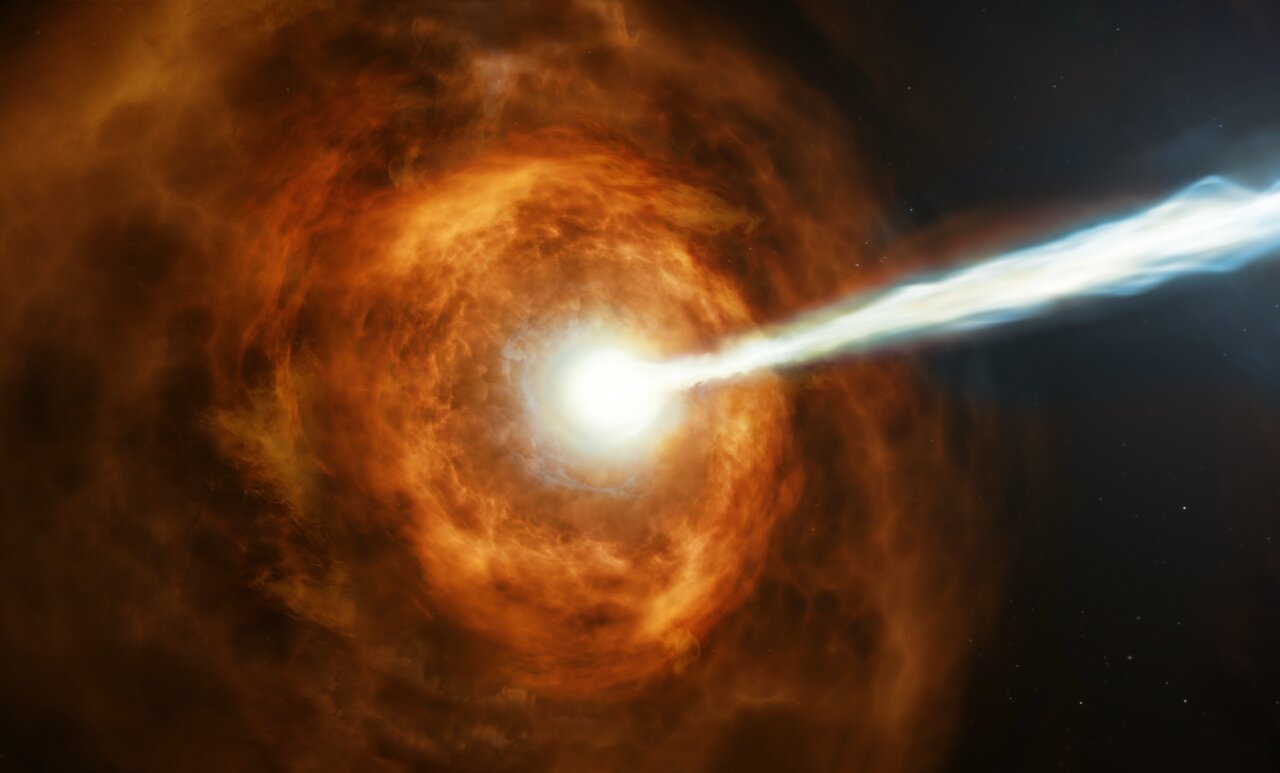
Researchers have used a low-emissions method to harvest hydrogen and graphene from waste plastics. They say it not only solves environmental problems like plastic pollution and greenhouse gas production, but the value of the graphene by-product could offset the costs of producing hydrogen. Hydrogen is used to power vehicles, generate electricity, and heat our homes and businesses. Hydrogen contains more energy per unit of weight than fossil fuels, which is important from an environmental…..Continue reading

Paul McClure

Source: New Atlas

.

Critics:

Efforts to reduce the use of plastics, to promote plastic recycling and to reduce mismanaged plastic waste or plastic pollution have occurred or are ongoing. The first scientific review in the professional academic literature about global plastic pollution in general found that the rational response to the “global threat” would be “reductions in consumption of virgin plastic materials.

Along with internationally coordinated strategies for waste management” – such as banning export of plastic waste unless it leads to better recycling – and describes the state of knowledge about “poorly reversible” impacts which are one of the rationales for its reduction.

Some supermarkets charge their customers for plastic bags, and in some places more efficient reusable or biodegradable materials are being used in place of plastics. Some communities and businesses have put a ban on some commonly used plastic items, such as bottled water and plastic bags. Some non-governmental organizations have launched voluntary plastic reduction schemes like certificates that can be adapted by restaurants to be recognized as eco-friendly among customers.

In January 2019 a “Global Alliance to End Plastic Waste” was created by companies in the plastics industry. The alliance aims to clean the environment from existing waste and increase recycling, but it does not mention reduction in plastic production as one of its targets. Moreover, subsequent reporting has suggested the group is a greenwashing initiative. On 2 March 2022 in Nairobi, representatives of 175 countries pledged to create a legally binding agreement to end plastic pollution.

The agreement should address the full lifecycle of plastic and propose alternatives including reusability. An Intergovernmental Negotiating Committee (INC) that should conceive the agreement by the end of the year 2024 was created. The agreement should facilitate the transition to a circular economy, which will reduce GHG emissions by 25%. Inger Andersen, executive director of UNEP called the decision “a triumph by planet earth over single-use plastics”.

In the lead up to the Assembly, global public opinion on a plastic treaty was surveyed, analysed and reported by The Plastic Free Foundation in partnership with Ipsos and WWF-International. The report identified that nearly 90% of survey participants – over 20,000 adults across 28 countries – believed that having a global plastics treaty will help to effectively address the plastic pollution crisis.

The use of biodegradable plastics has many advantages and disadvantages. Biodegradables are biopolymers that degrade in industrial composters. Biodegradables do not degrade as efficiently in domestic composters, and during this slower process, methane gas may be emitted. There are also other types of degradable materials that are not considered to be biopolymers, because they are oil-based, similar to other conventional plastics.

These plastics are made to be more degradable through the use of different additives, which help them degrade when exposed to UV rays or other physical stressors.Yet biodegradation-promoting additives for polymers have been shown not to significantly increase biodegradation. Although biodegradable and degradable plastics have helped reduce plastic pollution, there are some drawbacks.

One issue concerning both types of plastics is that they do not break down very efficiently in natural environments. There, degradable plastics that are oil-based may break down into smaller fractions, at which point they do not degrade further. A parliamentary committee in the United Kingdom also found that compostable and biodegradable plastics could add to marine pollution because there is a lack of infrastructure to deal with these new types of plastic, as well as a lack of understanding about them on the part of consumers. 


For example, these plastics need to be sent to industrial composting facilities to degrade properly, but no adequate system exists to make sure waste reaches these facilities. The committee thus recommended to reduce the amount of plastic used rather than introducing new types of it to the market. Also worth noting is the evolution of new enzymes allowing microorganisms living in polluted locations to digest normal, hard-to-degrade plastic. 

An 2021 study looking for homologs of 95 known plastic-degrading enzymes spanning 17 plastic types found a further 30,000 possible enzymes. Despite their apparent ubiquity, there is no current evidence that these novel enzymes are breaking down any meaningful amount of plastic to reduce pollution.

Chair Cardin Introduces Resolution Calling for International Agreement to Reduce Plastic Pollution United States Senate Committee on Foreign Relations (Press Release) 06:09 Thu, 14 Nov 

.

Labels: #WastePlastics #PlasticPollution #ReduceReuseRecycle #EcoFriendly #SustainableLiving #RecyclingAwareness #PlasticWaste #GreenPlanet #ProtectOurOcean #WasteManagement #EnvironmentalImpact #CircularEconomy #SustainableSolutions #PlasticFreeFuture #ConserveNature #Hydrogene #CleanPlanet #StopPlasticPollution #WasteLessLiveMore #Graphene

Leave a Reply

Thursday, October 2, 2025

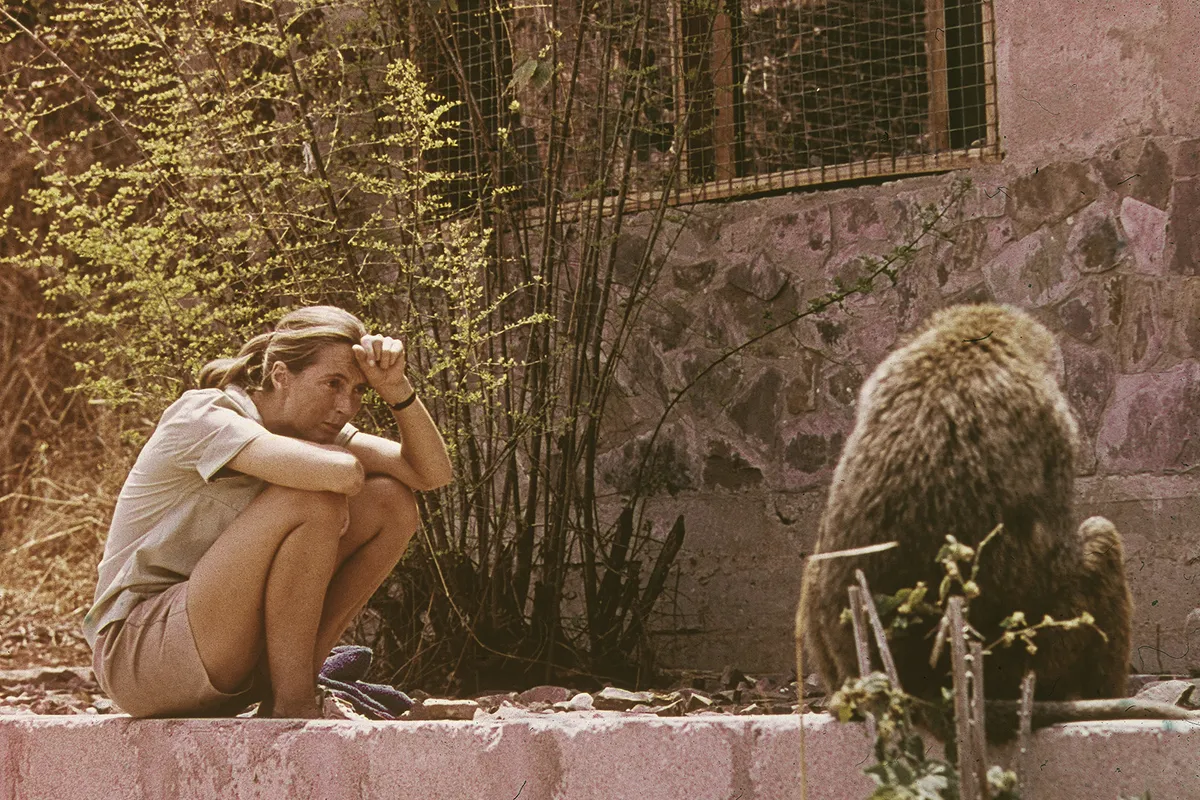
Who Was Jane Goodall? We Explore The Life of The Groundbreaking Conservationist 

1974. Fotos International/Getty

From earliest childhood, Jane’s mother encouraged her fascination with animals. One of her most beloved companions was a stuffed toy chimpanzee, named Jubilee. In what her mother referred to as “Jane’s first animal research program,” she found Jane in bed with a handful of earthworms, trying to understand how they could possibly move without legs…….Continue reading….

By: BBC Wildlife Magazine

Source: Discover Wildlife

.

Critics:

Wildlife conservation refers to the practice of protecting wild species and their habitats in order to maintain healthy wildlife species or populations and to restore, protect or enhance natural ecosystems. Major threats to wildlife include habitat destruction, degradation, fragmentation, overexploitation, poaching, pollution, climate change, and the illegal wildlife trade. The IUCN estimates that 42,100 species of the ones assessed are at risk for extinction.

Expanding to all existing species, a 2019 UN report on biodiversity put this estimate even higher at a million species. It is also being acknowledged that an increasing number of ecosystems on Earth containing endangered species are disappearing. To address these issues, there have been both national and international governmental efforts to preserve Earth’s wildlife. Prominent conservation agreements include the 1973 Convention on International Trade in Endangered Species of Wild Fauna and Flora (CITES) and the 1992 Convention on Biological Diversity (CBD).

There are also numerous nongovernmental organizations (NGO’s) dedicated to conservation such as the Nature Conservancy, World Wildlife Fund, and Conservation International. The illegal wildlife trade is the illegal trading of plants and wildlife. This illegal trading is worth an estimate of 7-23 billion and an annual trade of around 100 million plants and animals. In 2021 it was found that this trade has caused a 60% decline in species abundance, and 80% for endangered species.

This trade can be devastating to both humans and animals. It has the capacity to spread zoonotic diseases to humans, as well as contribute to local extinction. The pathogens to humans may be spread through small animal vectors like ticks, or through ingestion of food and water. Extinction can be caused due to non-native species being introduced that become invasive. An example of how this may happen is through by-catch.These new species will outcompete the native species and take over, therefore causing the local or global extinction of a species.

Due to the fittest animals in the species being hunted or poached, the less fit organisms will mate, causing less fitness in the generations to come. In addition to species fitness being lowered and therefore endangering species, the illegal wildlife trade has ecological costs. Sex-ratio balances may be tipped or reproduction rates are slowed, which can be detrimental to vulnerable species. The recovery of these populations may take longer due to the reproduction rates being slower.

The wildlife trade also causes issues for natural resources that people use in their everyday lives. Ecotourism is how some people bring in money to their homes, and with depleting the wildlife, this may be a factor in taking away jobs. Illegal wildlife trade has also become normalized through various social media outlets. There are TikTok accounts that have gone viral for their depiction of exotic pets, such as various monkey and bird species. These accounts show a cute and fun side of owning exotic pets, therefore indirectly encouraging illegal wildlife trade.

On March 30, 2021, TikTik joined the Coalition to End Wildlife Trafficking Online. They, along with other big social media companies work to protect species from illegal, harmful trade online. Research has shown that machine learning can filter through social media posts to identify indications of illegal wildlife trade. This filtration system is able to search for keywords, pictures, and phrases that indicate illegal wildlife trade, and report it.

It is estimated that, because of human activities, current species extinction rates are about 1000 times greater than the background extinction rate (the ‘normal’ extinction rate that occurs without additional influence). According to the IUCN, out of all species assessed, over 42,100 are at risk of extinction and should be under conservation. Of these, 25% are mammals, 14% are birds, and 40% are amphibians.

However, because not all species have been assessed, these numbers could be even higher. A 2019 UN report assessing global biodiversity extrapolated IUCN data to all species and estimated that 1 million species worldwide could face extinction. Conservation of a select species are often prioritized on several factors which include significant economic and ecological value, as well as desirability or attractiveness. Yet, because resources are limited, sometimes it is not possible to give all species that need conservation due consideration.

The species problem occurring in some cases due to natural hybridization, cryptic species, and natural evolution of species can be represented for species conservation by different approaches, such as multicriteria species approaches, subspecies, evolutionarily significant units, distinct population segments or species-population continuum.Habitat conservation is the practice of protecting a habitat in order to protect the species within it.

This is sometimes preferable to focusing on a single species especially if the species in question has very specific habitat requirements or lives in a habitat with many other endangered species. The latter is often true of species living in biodiversity hotspots, which are areas of the world with an exceptionally high concentration of endemic species (species found nowhere else in the world).

Many of these hotspots are in the tropics, mainly tropical forests like the Amazon. Habitat conservation is usually carried out by setting aside protected areas like national parks or nature reserves. Even when an area isn’t made into a park or reserve, it can still be monitored and maintained.

In the last hour
In the last 2 hours
In the last 4 hours
In the last 6 hours

Leave a Reply

A New, Open Source Text-To-Speech Model Called Dia Has Arrived To Challenge ElevenLabs, OpenAI and More

VentureBeat made with Midjourney A two-person startup by the name of  Nari Labs  has introduced Dia , a 1.6 billion parameter text-to-speech...