Shutterstock
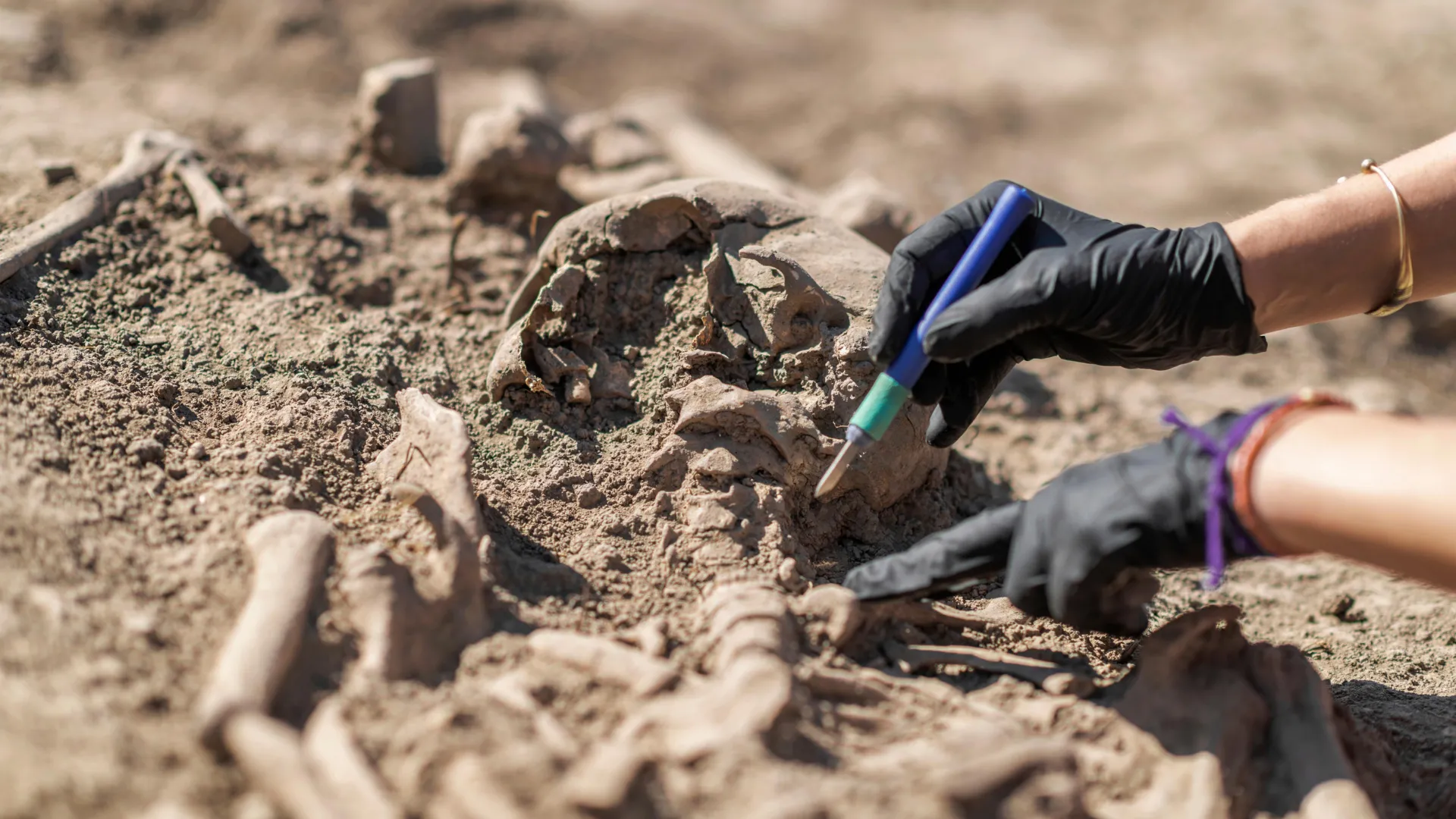
Scientists have uncovered DNA from 214 ancient pathogens in prehistoric humans, including the oldest known evidence of plague. The findings show zoonotic diseases began spreading around 6,500 years ago, likely triggered by farming and animal domestication. These ancient infections may still influence us today, and help guide the vaccines of tomorrow…….Continue reading….
By: University of Copenhagen – The Faculty of Health and Medical Sciences
Source: ScienceDaily
.
Critics:
Pathogenicity is the potential disease-causing capacity of pathogens, involving a combination of infectivity (pathogen’s ability to infect hosts) and virulence (severity of host disease). Koch’s postulates are used to establish causal relationships between microbial pathogens and diseases. Whereas meningitis can be caused by a variety of bacterial, viral, fungal, and parasitic pathogens, cholera is only caused by some strains of Vibrio cholerae.
Additionally, some pathogens may only cause disease in hosts with an immunodeficiency. These opportunistic infections often involve hospital-acquired infections among patients already combating another condition. Infectivity involves pathogen transmission through direct contact with the bodily fluids or airborne droplets of infected hosts, indirect contact involving contaminated areas/items, or transfer by living vectors like mosquitos and ticks.

The basic reproduction number of an infection is the expected number of subsequent cases it is likely to cause through transmission. Virulence involves pathogens extracting host nutrients for their survival, evading host immune systems by producing microbial toxins and causing immunosuppression.
Optimal virulence describes a theorized equilibrium between a pathogen spreading to additional hosts to parasitize resources, while lowering their virulence to keep hosts living for vertical transmission to their offspring. While bacteria are typically viewed as pathogens, they serve as hosts to bacteriophage viruses (commonly known as phages).
The bacteriophage life cycle involves the viruses injecting their genome into bacterial cells, inserting those genes into the bacterial genome, and hijacking the bacteria’s machinery to produce hundreds of new phages until the cell bursts open to release them for additional infections. Typically, bacteriophages are only capable of infecting a specific species or strain.
Streptococcus pyogenes uses a Cas9 nuclease to cleave foreign DNA matching the Clustered Regularly Interspaced Short Palindromic Repeats (CRISPR) associated with bacteriophages, removing the viral genes to avoid infection. This mechanism has been modified for artificial CRISPR gene editing. A variety of prevention and treatment options exist for some viral pathogens.
Vaccines are one common and effective preventive measure against a variety of viral pathogens. Vaccines prime the immune system of the host, so that when the potential host encounters the virus in the wild, the immune system can defend against infection quickly.
Vaccines designed against viruses include annual influenza vaccines and the two-dose MMR vaccine against measles, mumps, and rubella.Vaccines are not available against the viruses responsible for HIV/AIDS, dengue, and chikungunya. Treatment of viral infections often involves treating the symptoms of the infection, rather than providing medication to combat the viral pathogen itself.
Treating the symptoms of a viral infection gives the host immune system time to develop antibodies against the viral pathogen. However, for HIV, highly active antiretroviral therapy (HAART) is conducted to prevent the viral disease from progressing into AIDS as immune cells are lost.
Due to misuse of antibiotics, such as prematurely ended prescriptions exposing bacteria to evolutionary pressure under sublethal doses, some bacterial pathogens have developed antibiotic resistance. For example, a genetically distinct strain of Staphylococcus aureus called MRSA is resistant to the commonly prescribed beta-lactam antibiotics.

A 2013 report from the Centers for Disease Control and Prevention (CDC) estimated that in the United States, at least 2 million people get an antibiotic-resistant bacterial infection annually, with at least 23,000 of those patients dying from the infection.
Many pathogens are capable of sexual interaction. Among pathogenic bacteria, sexual interaction occurs between cells of the same species by the process of genetic transformation. Transformation involves the transfer of DNA from a donor cell to a recipient cell and the integration of the donor DNA into the recipient genome through genetic recombination.
The bacterial pathogens Helicobacter pylori, Haemophilus influenzae, Legionella pneumophila, Neisseria gonorrhoeae, and Streptococcus pneumoniae frequently undergo transformation to modify their genome for additional traits and evasion of host immune cells.
Eukaryotic pathogens are often capable of sexual interaction by a process involving meiosis and fertilization. Meiosis involves the intimate pairing of homologous chromosomes and recombination between them. Examples of eukaryotic pathogens capable of sex include the protozoan parasites Plasmodium falciparum, Toxoplasma gondii, Trypanosoma brucei, Giardia intestinalis, and the fungi Aspergillus fumigatus, Candida albicans and Cryptococcus neoformans.
Viruses may also undergo sexual interaction when two or more viral genomes enter the same host cell. This process involves pairing of homologous genomes and recombination between them by a process referred to as multiplicity reactivation. The herpes simplex virus, human immunodeficiency virus, and vaccinia virus undergo this form of sexual interaction.
These processes of sexual recombination between homologous genomes supports repairs to genetic damage caused by environmental stressors and host immune systems. Animals often get infected with many of the same or similar pathogens as humans including prions, viruses, bacteria, and fungi. While wild animals often get illnesses, the larger danger is for livestock animals.
It is estimated that in rural settings, 90% or more of livestock deaths can be attributed to pathogens.Animal transmissible spongiform encephalopathy (TSEs) involving prions include bovine spongiform encephalopathy (mad cow disease), chronic wasting disease, scrapie, transmissible mink encephalopathy, feline spongiform encephalopathy, and ungulate spongiform encephalopathy. Other animal diseases include a variety of immunodeficiency disorders caused by viruses related to human immunodeficiency virus (HIV), such as BIV and FIV.
Protozoans are single-celled eukaryotes that feed on microorganisms and organic tissues. Many protozoans act as pathogenic parasites to cause diseases like malaria, amoebiasis, giardiasis, toxoplasmosis, cryptosporidiosis, trichomoniasis, Chagas disease, leishmaniasis, African trypanosomiasis (sleeping sickness), Acanthamoeba keratitis, and primary amoebic meningoencephalitis (naegleriasis).
Parasitic worms (helminths) are macroparasites that can be seen by the naked eye. Worms live and feed in their living host, acquiring nutrients and shelter in the digestive tract or bloodstream of their host. They also manipulate the host’s immune system by secreting immunomodulatory products which allows them to live in their host for years. Helminthiasis is the generalized term for parasitic worm infections, which typically involve roundworms, tapeworms, and flatworms
.
AncientPathogens ,Microbiology ,HistoryOfDisease ,PathogenResearch ,Archaeology ,Paleopathology ,InfectiousDiseases ,AncientHistory ,Bioarchaeology ,HealthAndDisease ,Virology ,ScienceHistory ,AncientCivilizations ,PathogenEvolution ,Antiquity ,MedicalHistory ,ForgottenDiseases ,ArchaeologicalFindings ,PublicHealth ,PrehistoricDNA ,Pandemic ,ZoonoticDisease ,Plague ,Infections , Archeology








Leave a Reply