Showing posts with label TravelPhotography. Show all posts

Monday, October 26, 2026

35 Once-In-A-Lifetime Bucket List Experiences You’ve Never Heard Of

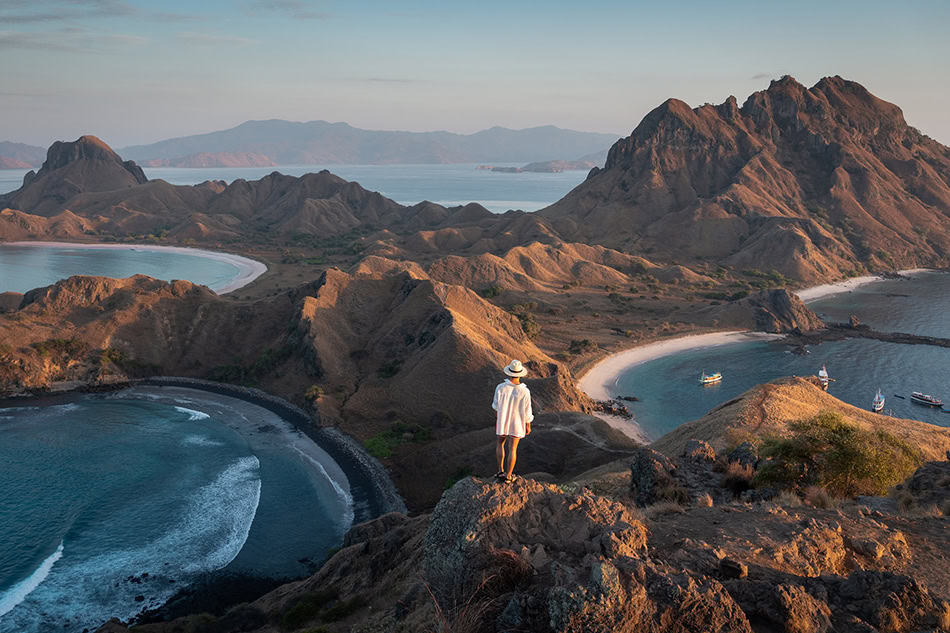
Looking for travel inspiration that goes beyond the typical tourist trail? Here are 35 extraordinary underrated bucket list experiences that combine adventure, cultural immersion, and natural wonders. From sleeping in transparent pods on cliff faces to tracking gorillas through misty forests, these bucket-list worthy moments will reshape how you see the world. Scroll down to explore 35 remarkable journeys that deserve a spot on your bucket list……..Continue reading…

By

Source: Wanderlust Storytellers

.

Critics:

Wellness travelers may seek procedures or treatments using conventional, alternative, complementary, herbal, or homeopathic medicine. Advertisers may use the term wellness to promote a wide range of miscellaneous products and services. Players in wellness tourism may target healthy tourists who want to maintain and promote their health, or cure guests who want to recover from illness and seek healing of bodily ailments.

Wellness tourism suffers from skepticism about the quality and effectiveness of the treatments and pursuits on offer. Individual wellness practitioners and programs provide diverse services such as beauty treatments, exercise opportunities, including physical fitness and sports, healthy diet and weight management, health-related education, and relaxation and stress relief methods in luxurious, privately rent resort centers, small hotels or sections of larger hotels themed for the purpose all over the world.

Wellness travelers pursue these diverse services as a form of stress control. Popular relaxation methods used to control stress include spiritual tourism, including meditation and yoga, whether classical or as exercise; Spiritual tourism is a growing practice that has evolved from a religious pilgrimage into traveling to a sacred spot in hopes of finding a special feeling.

Cruise ships offering wellness programs including the use of on-board spas. Day spas and destination spas offer short-term, residential programs to address specific health concerns, reduce stress, or support lifestyle improvement.Wellness tourism is now an identifiable niche market in at least 30 countries. Twenty countries accounted for 85 percent of global wellness tourism expenditures in 2012.

The top five countries alone (United States, Germany, Japan, France, Austria) account for more than half the market (59 percent of expenditures). Wellness tourism advocates suggest that vacations improve physical well-being, happiness, and productivity, citing that health-oriented trips give travelers a fresh perspective and positively affect creativity, resilience, problem solving, and capacity for coping with stress.

Yet it is difficult to quantify the health benefits since many of the wellness practices are unregulated, and the growing industry negatively impacts the destinations that travelers flock to. One study found that sectors of the wellness industry including healthy eating, physical wellness, and mental resilience had little to no statistical relationship with indicating better health.

While these aspects of wellness are widely regarded to improve health outcomes, some believe that a higher level of spending in these areas does not actually improve health. In these sectors, the offerings of Wellness Tourism experiences do not have a tangible impact on the overall health of the consumer.

Many Wellness Tourism practices are unregulated, and due to the breadth of countries and organizations in the industry, it is difficult to maintain standards across experiences. Over 60% of retreats admitted to not engaging with regulations or certifications beside basic health and safety checks. In many instances, safety cannot be guaranteed during wellness practices. There are several instances where tourists on ayahuasca retreats have died while under the influence of unregulated drugs.

There have also been instances of tourists dying in sweat lodges and incidents involving cults during meditation retreats. There is also little regulation when it comes to employee training, and many retreat employees are only trained internally by their superiors. With the lack of regulations, it is difficult for consumers to determine which retreats are safe. Another impact of tourism is the environmental impacts on the countries tourists flock to.

As many wellness tourism destinations are developing countries, many of these countries are not equipped to handle the heavy influx of tourists surrounding the wellness industry. The draw of these locations is that they are remote: an escape from society. However, these remote locations lack the infrastructure to handle sewage, landfill, and enough natural resources to support tourists.

In 2016, over 1,500 wellness retreat locations in India admitted to dumping sewage directly into rivers, and Tulum faced similar issues. Wellness tourism practices also destroy natural resources and habitats; with the rising fad of ayahuasca retreats, plants were depleted naturally and providers moved to farming them commercially, leading to deforestation to make room for fields. Dimon, Anne (24 October 2013). 

Man who allegedly sold family land to travel to SA returns with nothing  13:54 Wed, 03 Jun 

.

TravelInspiration ,Wanderlust ,TravelGoals ,ExploreTheWorld ,AdventureAwaits ,TravelDiaries ,BucketListTravel ,TravelPhotography ,Getaway ,Wanderer ,SeeTheWorld ,TravelLovers ,JourneyOfALifetime ,TravelMore ,DiscoverDestinations ,ExploreMore ,NomadicLife ,RoamFree ,TravelVibes ,InspireTravel

Sunday, August 23, 2026

5 Reasons International Travel Is Essential for Entrepreneurs

Getty Images

Some of the most valuable business lessons I’ve learned didn’t come from spreadsheets or Zoom meetings they came from walking through Tokyo alleyways and sipping coffee in Irish cafés. Traveling to these places expanded my perspective in ways no online course or conference ever could. The energy, the sentiment, the subtle cues of how people live, work, and transact these are things you can only absorb by being physically present…….Continue reading….

By Roy Dekel

Source: INC

.

Critics:

A business plan for entrepreneurs is a document that lists the objectives and goals of the business. It includes information on how the business will specifically achieve its goals, including sales, marketing and product development. Strategic thinking and planning skills allow entrepreneurs to analyze information, adapt, manage projects, solve problems, and make informed decisions.

These entrepreneurship skills are vital in helping leaders overcome challenges and ensure efficient allotment of resources and achievement of goals. The purpose of strategic planning is to set overall goals for your business and to develop a plan to achieve them. It involves stepping back from your day-to-day operations and asking where your business is headed and what its priorities should be.

Planning is a function of entrepreneurs where they engage in strategic planning to set goals, define objectives, and establish a roadmap for their venture. They anticipate future challenges, identify opportunities, and develop strategies to achieve their vision. Within planning, there are four major categories: strategic, tactical, operational, and contingency planning.

Entrepreneurial decision making is based on alertness, intuition, imagination, and judgment. Different people have different thoughts and judgments about the same data, so choices will be different. Entrepreneurial planning refers to the process of creating a strategic analysis and setting goals and objectives for an entrepreneurial venture . It involves developing a roadmap for implementing the vision and strategy of the entrepreneur.

A business plan is likely to describe the business and industry, market strategies, sales potential, and competitive analysis, as well as the company’s long-term goals and objectives. An in-depth formal business plan would follow at later stages after various iterations to business model canvases. To be successful as an entrepreneur, it takes planning and being able to think strategically can allow you to find ways to beat out your competition, grow your market reach or implement effective strategies to reach your goals.

Many people struggle with this in entrepreneurship because they feel as if there’s so much to do in their business. They don’t feel like they’re being productive enough, or they can’t focus on one task because there are so many other challenges occupying their mind. Entrepreneurship takes a lot of experience, determination and sometimes education. There are no prerequisites to becoming an entrepreneur, though, and there are successful entrepreneurs from every demographic.

Many professionals hold the job title of “strategic planner” or “strategic planning manager.” Still, other jobs need strategic planning skills even though the label “strategic” is not mentioned in the designation. For managers and leaders, strategic planning is a must-have skill. Planning is called a mental exercise in management because it involves application of high order thinking skills and intellectual faculties involving vision and foresightedness to decide the things to be done in the future.

Planning is an intellectual process ,as plans are always based in the sound judgementPlanning is an intellectual process, the top-level management. It is a mental activity in which a manager decides the goals to be achieved and the actions through which those goals are to be achieved. Risk-taking is an important part of entrepreneurship and business. Risk-taking is defined as trying out something new when the results are largely unknown.

risk-taker is someone who will risk everything in the hope of achieving their goals. While there is no magic formula for being a successful entrepreneur, those who do succeed tend to have mastered the following set of skills: good and effective communication, being able to sell both themselves and their idea or product, strong focus, eagerness to learn and be flexible, and a solid business plan.

The planing process starts with setting up the objectives. Once the objectives are achieved, then you start identifying the ways to achieve the objectives. The planner define the resources required to accomplish the task. Once the resources are identified, a timeline it set to achieve the desired objectives. The core of making a plan in class 12 involves setting clear objectives, gathering relevant information, exploring different options, selecting the best strategy, creating a detailed action plan, allocating necessary resources, monitoring progress, and adjusting the plan as needed.

Specific growth strategies can include adding new locations, investing in customer acquisition, or expanding a product line. A company’s industry and target market influence which growth strategies it will choose. Strategize, consider the available options, and build some into your business plan.

This particularly rings true for entrepreneurs, as creating a business plan can help them determine the skills necessary to succeed. They can help you identify potential strengths and weaknesses, determine the strategies you are going to implement and communicate your ideas effectively.

Clear Launches Corporate Memberships, Bringing Seamless Travel Benefits to Business Travelers From Home to Gate  23:45 Thu, 06 Aug 

.
BusinessTravel ,TravelLife ,WorkAndTravel ,InternationalTravel ,Explore ,Wanderlust ,TravelGram ,TravelPhotography ,InstaTravel ,GlobalTravel ,CorporateTravel ,Businesstrip ,TravelGoals ,JetSetter ,RoadWarrior ,TravelCommunity ,LuxuryTravel ,RemoteWork ,TravelTips #TravelInspiration ,LocationIndependent ,WorkFromAnywhere ,Traveler ,TravelAddict ,TravelSmart ,BusinessTraveler,TravelDiaries ,MyTravelGram ,BusinessTravelTips ,EntrepreneurTravel

Leave a Reply

8 Things You Didn’t Realize Could Get You Banned From An Airline

Credit: Igor Alecsander/Getty Images Most airline passengers know that major misconduct on a plane, like physically assaulting a crew member...