Showing posts with label SupportSystem. Show all posts

Thursday, October 15, 2026

Loneliness May Raise Risk of Dying From Cancer New Study Warns

Greater feelings of loneliness and social isolation were associated with a higher risk of mortality among cancer survivors, according to a retrospective longitudinal study. Over the study period of 10 years, cancer survivors with higher loneliness scores on the UCLA Loneliness Scale had higher mortality risk compared with those who had low/no loneliness scores, following a dose-response association:

  • Mild loneliness: adjusted HR 1.19 (95% CI 0.86-1.63)
  • Moderate loneliness: aHR 1.41 (95% CI 1.01-1.96)
  • Severe loneliness: aHR 1.67 (95% CI 1.25-2.23, P=0.004)

Continue reading….

By :

Source:  MedPageToday

.

Critics:

Loneliness has long been viewed as a universal condition which, at least to a moderate extent, is felt by everyone. From this perspective, some degree of loneliness is inevitable as the limitations of human life mean it is impossible for anyone to continually satisfy their inherent need for connection. Professors including Michele A. Carter and Ben Lazare Mijuskovic have written books and essays tracking the existential perspective and the many writers who have talked about it throughout history.

Thomas Wolfe’s 1930s essay God’s Lonely Man is frequently discussed in this regard; Wolfe makes the case that everyone imagines they are lonely in a special way unique to themselves, whereas really every single person sometimes experiences loneliness. While agreeing that loneliness alleviation can be a good thing, those who take the existential view tend to doubt such efforts can ever be fully successful, seeing some level of loneliness as both unavoidable and even beneficial, as it can help people appreciate the joy of living.

Culture is discussed as a cause of loneliness in two senses. Migrants can experience loneliness due to missing their home culture. Studies have found this effect can be especially strong for students from countries in Asia with a collectivist culture, when they go to study at universities in more individualist English-speaking countries. Culture is also seen as a cause of loneliness in the sense that Western culture may have been contributing to loneliness, ever since the Enlightenment began to favour individualism over older communal values.

For many people the family of origin did not offer the trust building relationships needed to build a reference that lasts a lifetime and even in memory after the passing of a loved one. This can be due to parenting style, traditions, mental health issues including personality disorders and abusive family environments. Sometimes religious shunning is also present. This impacts the ability of individuals to know themselves, to value themselves and to relate to others or to do so with great difficulty.

All these factors and many others are often overlooked by the standard medical or psychological advice that recommends to go meet friends, family and to socialise. This is not always possible when there is no one available to relate to and an inability to connect without the skills and knowledge on how to proceed. With time a person might become discouraged or develop apathy from numerous trials, failures or rejections brought on by the lack of interpersonal skills.

As the rate of loneliness increases yearly among people of every age group and more so in the elderly, with known detrimental physical and psychological effects, there is a need to find new ways to connect people with each other and especially so at a time when a whole lot of the human attention is focused on electronic devices, it is a challenge. Studies have tended to find a moderate correlation between extensive internet use and loneliness, especially ones that draw on data from the 1990s, before internet use became widespread.

Contradictory results have been found by studies investigating whether the association is simply a result of lonely people being more attracted to the internet or if the internet can actually cause loneliness. The displacement hypothesis holds that some people choose to withdraw from real world social interactions so they can have more time for the internet.

Excessive internet use can directly cause anxiety and depression, conditions which can contribute to loneliness – yet these factors may be offset by the internet’s ability to facilitate interaction, and to empower people. Some studies found that internet use is a cause of loneliness, at least for some types of people. Others have found internet use can have a significant positive effect on reducing loneliness. 

The authors of meta studies and reviews from about 2015 and later have tended to argue that there is a bidirectional causal relationship between loneliness and internet use. Excessive use, especially if passive, can increase loneliness. While moderate use, especially by users who engage with others rather than just passively consume content, can increase social connection and reduce loneliness.

Smaller early studies had estimated that loneliness may be between 37–55% hereditable. However, in 2016, the first Genome-wide association study of loneliness found that the heredity of loneliness is much lower, at about 14–27%.This suggests that while genes play a role in determining how much loneliness a person may feel, they are less of a factor than individual experiences and the environment.

Loneliness peaks in adolescence and late adulthood, while being less common in middle adulthood. People making long driving commutes have reported dramatically higher feelings of loneliness (as well as other negative health impacts). Two principal types of loneliness are social and emotional loneliness. This delineation was made in 1973 by Robert S. Weiss, in his seminal work: Loneliness: The Experience of Emotional and Social Isolation. 

Based on Weiss’s view that “both types of loneliness have to be examined independently, because the satisfaction for the need of emotional loneliness cannot act as a counterbalance for social loneliness, and vice versa”, people working to treat or better understand loneliness have tended to treat these two types of loneliness separately, though this is far from always the case.

Social loneliness is the loneliness people experience because of the lack of a wider social network. They may not feel they are members of a community, or that they have friends or allies whom they can rely on in times of distress. Emotional loneliness results from the lack of deep, nurturing relationships with other people. Weiss tied his concept of emotional loneliness to attachment theory.

People have a need for deep attachments, which can be fulfilled by close friends, though more often by close family members such as parents, and later in life by romantic partners. In 1997, Enrico DiTommaso and Barry Spinner separated emotional loneliness into Romantic and Family loneliness. A 2019 study found that emotional loneliness significantly increased the likelihood of death for older adults living alone (whereas there was no increase in mortality found with social loneliness).

Family loneliness results when individuals feel they lack close ties with family members. A 2010 study of 1,009 students found that only family loneliness was associated with increased frequency of self-harm, not romantic or social loneliness. Romantic loneliness can be experienced by adolescents and adults who lack a close bond with a romantic partner.

Psychologists have asserted that the formation of a committed romantic relationship is a critical development task for young adults but is also one that many are delaying into their late 20s or beyond. People in romantic relationships tend to report less loneliness than single people, provided their relationship provides them with emotional intimacy. People in unstable or emotionally cold romantic partnerships can still feel romantic loneliness.

Loneliness Linked To Lower Odds Of Cancer Survival HealthDay 13:35 

.

Loneliness ,MentalHealth ,SelfCare ,ConnectingWithOthers ,Isolation ,EmotionalWellbeing ,OvercomingLoneliness ,SupportSystem ,Community ,Mindfulness ,Therapy ,SelfHelp ,FindYourTribe ,SocialConnection ,BeThereForEachOther ,InnerStrength ,YouAreNotAlone ,Compassion ,Hope ,DivisionToUnion

Wednesday, August 26, 2026

Stop, Drop and Roll For ‘Emotional Fires’ Aims To Prevent Suicide

Bryan Johnson

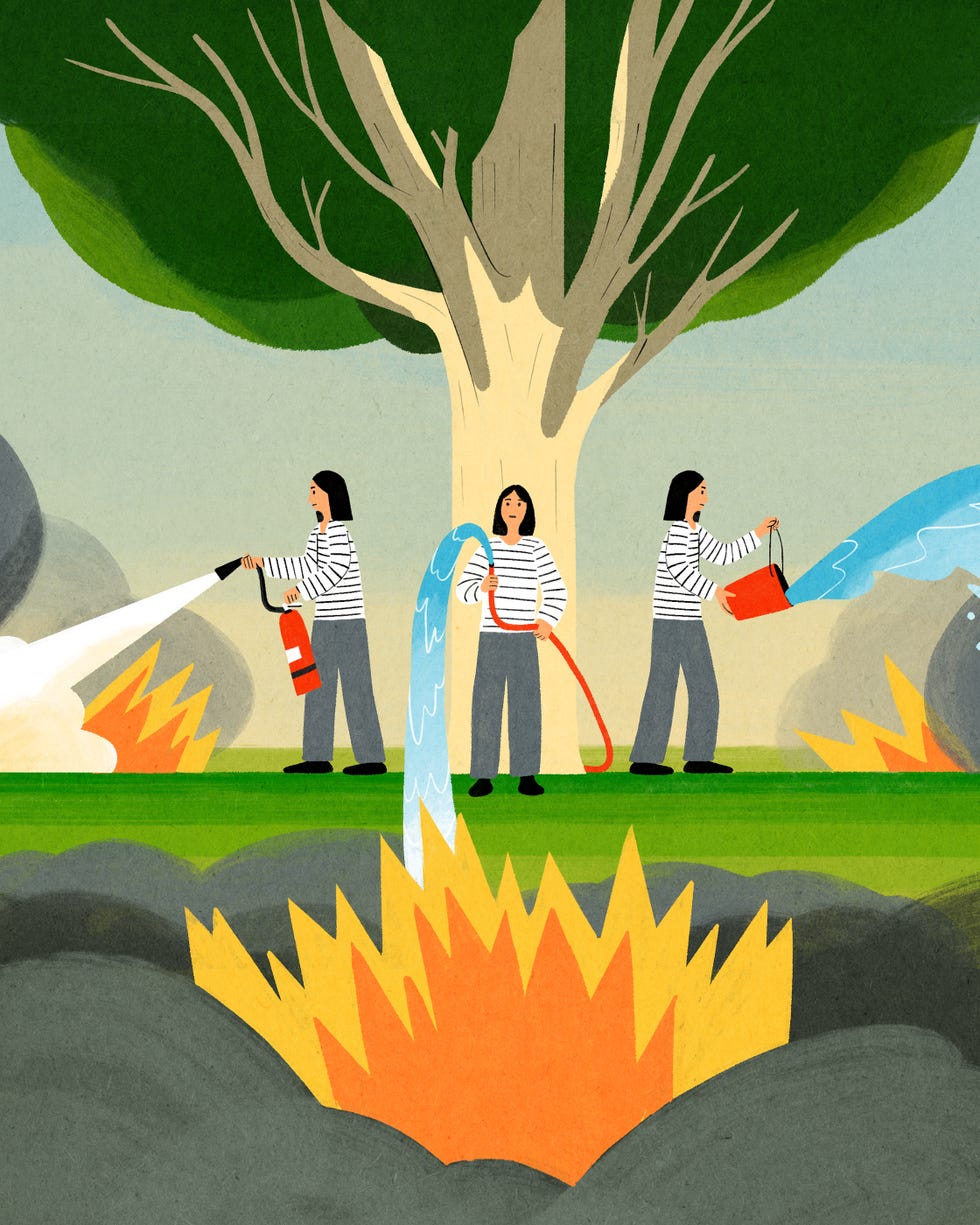
It always seemed like Regina Renaye Kinney, now 41, had it all as a smart, successful businesswoman. But for years, very few people knew that she was mired in the depths of a serious depression. “I would hide through my achievements and good grades and good jobs,” she recalls. “But I was really masking. On the inside, I was miserable.” The disconnect between her inner self and what she projected to the world felt unbearable and drove her to multiple suicide attempts over the course of several decades………Continue reading…..

By:

Source: Oprah Daily

.

Critics:

Suicide, derived from Latin suicidium, is “the act of taking one’s own life”. Attempted suicide, or non-fatal suicidal behavior, amounts to self-injury with at least some desire to end one’s life that does not result in death. Assisted suicide occurs when one individual helps another bring about their own death indirectly by providing either advice or the means to the end. 

Euthanasia, more specifically voluntary euthanasia, is where another person takes a more active role in bringing about a person’s death. Suicidal ideation is thoughts of ending one’s life but not taking any active efforts to do so. It may or may not involve exact planning or intent. Suicidality is defined as “the risk of suicide, usually indicated by suicidal ideation or intent, especially as evident in the presence of a well-elaborated suicidal plan.”

In a murder–suicide (or homicide–suicide), the individual aims at taking the lives of others at the same time. A special case of this is extended suicide, where the murder is motivated by seeing the murdered persons as an extension of their self. Suicide in which the reason is that the person feels that they are not part of society is known as egoistic suicide.

The Centre for Suicide Prevention in Canada found that the normal verb in scholarly research and journalism for the act of suicide was commit, and argued for destigmatizing terminology related to suicide; in 2011, they published an article calling for changing the language used around suicide entitled “Suicide and language: Why we shouldn’t use the ‘C’ word”.

The American Psychological Association lists “committed suicide” as a term to avoid because it “frame[s] suicide as a crime.” Some advocacy groups recommend using the terms took his/her own life, died by suicide, or killed him/herself instead of committed suicide. The Associated Press Stylebook recommends avoiding “committed suicide” except in direct quotes from authorities.

The Guardian and Observer style guides deprecate the use of “committed”,as does CNN. Opponents of commit argue that it implies that suicide is criminal, sinful, or morally wrong. There is no known unifying underlying pathophysiology for suicide; it is believed to result from an interplay of behavioral, socio-economic and psychological factors. 

Low levels of brain-derived neurotrophic factor (BDNF) are directly associated with suicide and indirectly associated through its role in major depression, post-traumatic stress disorder, schizophrenia and obsessive–compulsive disorder. Post-mortem studies have found reduced levels of BDNF in the hippocampus and prefrontal cortex, in those with and without psychiatric conditions

Serotonin, a brain neurotransmitter, is believed to be low in those who die by suicide. This is partly based on evidence of increased levels of 5-HT2A receptors found after death. Other evidence includes reduced levels of a breakdown product of serotonin, 5-hydroxyindoleacetic acid, in the cerebral spinal fluid. However, direct evidence is hard to obtain. Epigenetics, the study of changes in genetic expression in response to environmental factors which do not alter the underlying DNA, is also believed to play a role in determining suicide risk.

Factors that affect the risk of suicide include mental disorders, drug misuse, psychological states, cultural, family and social situations, genetics, experiences of trauma or loss, and nihilism. Mental disorders and substance misuse frequently co-exist. Other risk factors include having previously attempted suicide, the ready availability of a means to take one’s life, a family history of suicide, or the presence of traumatic brain injury.

For example, suicide rates have been found to be greater in households with firearms than those without them. Recent research examining 3,018 US counties found that “the distribution of suicide rates across US states corresponded to variations in [social determinants of health] cluster distribution in each state. Socio-economic problems such as unemployment, poverty, homelessness, and discrimination may trigger suicidal thoughts.

Suicide might be rarer in societies with high social cohesion and moral objections against suicide. Genetics appears to account for between 38% and 55% of suicidal behaviors. Suicides may also occur as a local cluster of cases. Most research does not distinguish between risk factors that lead to thinking about suicide and risk factors that lead to suicide attempts. Risks for suicide attempt, rather than just thoughts of suicide, include a high pain tolerance and a reduced fear of death.

Autistic individuals, on average, face more mental health and social challenges than non-autistic individuals, including higher rates of anxiety, depression, and social isolation. They attempt and consider suicide more frequently than the general population. Autistic people are about three times as likely as non-autistic people to attempt suicide. Suicide is a leading cause of early death for autistic people without co-occurring learning disabilities.

Some environmental exposures, including air pollution, intense sunlight, sunlight duration, hot weather, and high altitude, are associated with suicide. There is a possible association between short-term PM10 exposure and suicide. These factors might affect certain high-risk individuals more than others. The time of year may also affect suicide rates. There appears to be a decrease around Christmas, but an increase in rates during spring and summer, which might be related to exposure to sunshine.

Another study found that the risk may be greater for males on their birthday. Genetics might influence rates of suicide. A family history of suicide, especially in the mother, affects children more than adolescents or adults. Adoption studies have shown that this is the case for biological relatives, but not adopted relatives. This makes familial risk factors unlikely to be due to imitation. Once mental disorders are accounted for, the estimated heritability rate is 36% for suicidal ideation and 17% for suicide attempts.

An evolutionary explanation for suicide is that it may improve inclusive fitness. This may occur if the person dying by suicide cannot have more children and takes resources away from relatives by staying alive. An objection to this explanation is that deaths by healthy adolescents likely do not increase inclusive fitness. Adaptation to a very different ancestral environment may be maladaptive in the current one.

There is an association between suicidality and physical health problems such as chronic pain, traumatic brain injury, cancer, chronic fatigue syndrome, kidney failure (requiring hemodialysis), HIV, and systemic lupus erythematosus. The diagnosis of cancer approximately doubles the subsequent frequency of suicide. The prevalence of increased suicidality persisted after adjusting for depressive illness and alcohol abuse.

Among people with more than one medical condition the frequency was particularly high. In Japan, health problems are listed as the primary justification for suicide. Sleep disturbances, such as insomnia and sleep apnea, are risk factors for depression and suicide. In some instances, the sleep disturbances may be a risk factor independent of depression.

A number of other medical conditions may present with symptoms similar to mood disorders, including hypothyroidism, Alzheimer’s, brain tumors, systemic lupus erythematosus, and adverse effects from a number of medications (such as beta blockers and steroids). Mental illness is present at the time of suicide 27% to more than 90% of the time.

Of those who have been hospitalized for suicidal behavior, the lifetime risk of suicide is 8.6%. Comparatively, non-suicidal people hospitalized for affective disorders have a 4% lifetime risk of suicide. Half of all people who die by suicide may have major depressive disorder; having this or one of the other mood disorders such as bipolar disorder increases the risk of suicide 20-fold.

Other conditions implicated include schizophrenia (14%), personality disorders (8%), obsessive–compulsive disorder, and post-traumatic stress disorder. Others estimate that about half of people who die by suicide could be diagnosed with a personality disorder, with borderline personality disorder being the most common. About 5% of people with schizophrenia die of suicide. Eating disorders are another high risk condition.

Around 22% to 50% of people with gender dysphoria have attempted suicide, however this greatly varies by region. Among approximately 80% of suicides, the individual has seen a physician within the year before their death, including 45% within the prior month. Approximately 25–40% of those who died by suicide had contact with mental health services in the prior year. Antidepressants of the SSRI class appear to increase the frequency of suicide among children and young persons. An unwillingness to get help for mental health problems also increases the risk.

Nightmare rise of AI psychosis. It’s leading to divorce, institutionalisation and even suicide. For Allan it started by asking chatbot a simple question

Tribute honoring soldiers who died by suicide on display in Ozark WSFA TV 12, Alabama 18:50 

.

MentalHealthMatters ,DepressionAwareness ,Suicide ,BreakTheStigma ,MentalWellness ,AnxietyRelief ,HealingJourney ,Mindfulness ,PositiveVibes ,TherapyWorks ,CopingSkills ,SupportSystem ,YouAreNotAlone ,Wellbeing ,InnerPeace ,MentalHealthSupport ,EmotionalHealth ,FindingJoy ,SpeakUp ,RecoveryIsPossible ,MentalHealthEducation ,UnderstandingDepression ,DepressionHelp ,EndTheStigma ,TodayWeRise ,MyMentalHealthJourney ,MentalHealthTips ,DepressionSupport ,ViralMentalHealth ,CommunityOfHope

Leave a Reply

76 DIY Christmas Ornaments To Make In 2025

Becky Lugart-Stayner It’s officially Christmas-tree decorating season! Of course, you’ll want to pull out those beloved sentimental ornamen...