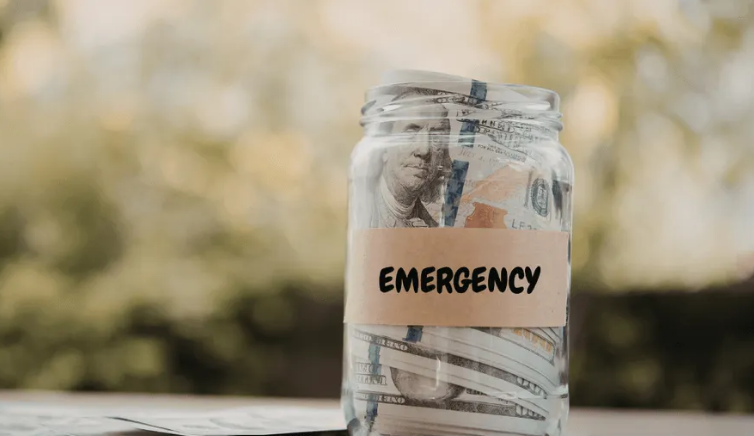
Preparing for disruption and economic uncertainty is less about predicting the future and more about building resilience so that different futures are manageable. Build an emergency fund that can cover 3–12 months of essential expenses, depending on your industry and income stability,Reduce high-interest debt where possible, Avoid becoming dependent on a single source of income, Review recurring expenses and identify what can be cut quickly if needed and Maintain appropriate insurance coverage for major risks.
The most resilient people and organizations are rarely those that predict disruption perfectly; they are usually the ones that maintain flexibility, financial stability, useful skills, and strong relationships before disruption arrives. Keep 3–6 months of essential expenses in an accessible emergency fund. Reduce high-interest debt first, because it makes uncertainty much harder to absorb. If your income is unstable, aim for a larger buffer.
Cut monthly commitments that are hard to escape, such as oversized housing, car payments, subscriptions, and recurring services. The less you must pay each month, the easier it is to adapt if income drops. Strengthen skills that stay useful in many conditions: digital tools, sales, operations, bookkeeping, project management, repair, caregiving, and communication. Build one extra income path if possible, even a small one.
Stay mobile, keep your resume and portfolio current, and maintain a network of people who know your work. In uncertain periods, opportunities often come through relationships faster than applications. Have enough basics for a short disruption: food, medicines, important documents, chargers, a little cash, and backup copies of key files. Think “temporary inconvenience,” not disaster prepping.
Economic stress makes people panic-buy, overtrade, or take bad job offers. Set rules now for spending, investing, and job changes so you do not decide under pressure. You cannot prevent recessions or layoffs, but you can improve your resilience. A good rule is: save more, owe less, spend with flexibility, and keep learning.





Leave a Reply